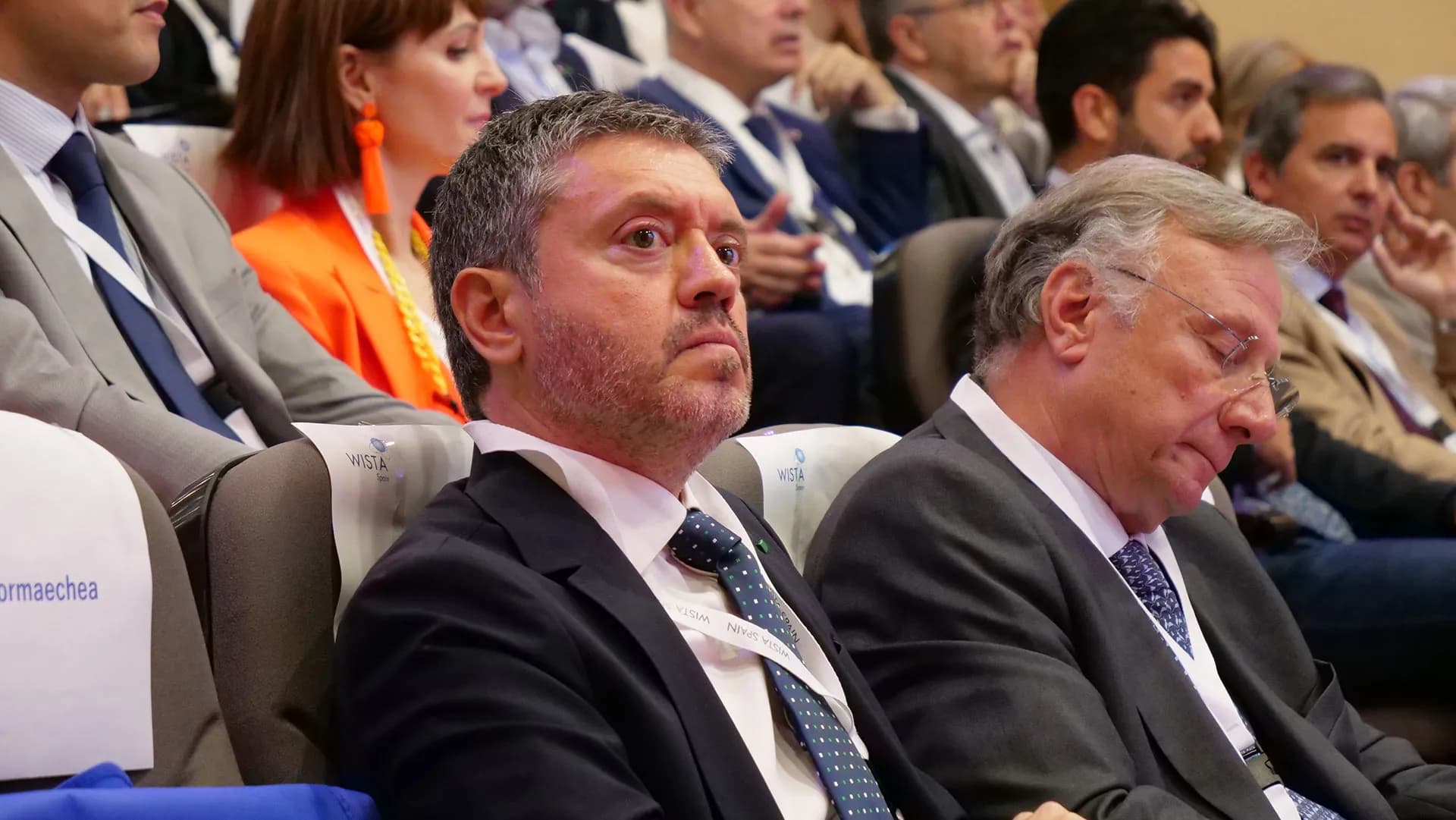
The president of the Port Authority of Bahía de Algeciras (APBA) and vice president of the European Ports Association (ESPO), Gerardo Landaluce, called for a constructive dialogue last Friday in Brussels among all sector stakeholders to correct the adverse effects of the European emissions trading system (EU-ETS) on the competitiveness of the European port system. The appeal took place during the presentation of the first results of the State Ports Observatory, held in the European capital and organized by ESPO.
The event was inaugurated by the president of State Ports, Gustavo Santana, and featured a detailed presentation of the main indicators by Manuel Arana, Director of Planning and Development of State Ports. Landaluce concluded the meeting with a statement emphasizing that, with the appropriate adjustments to current regulations, "we can seize this opportunity for climate objectives to be met without undermining the competitiveness of European ports."
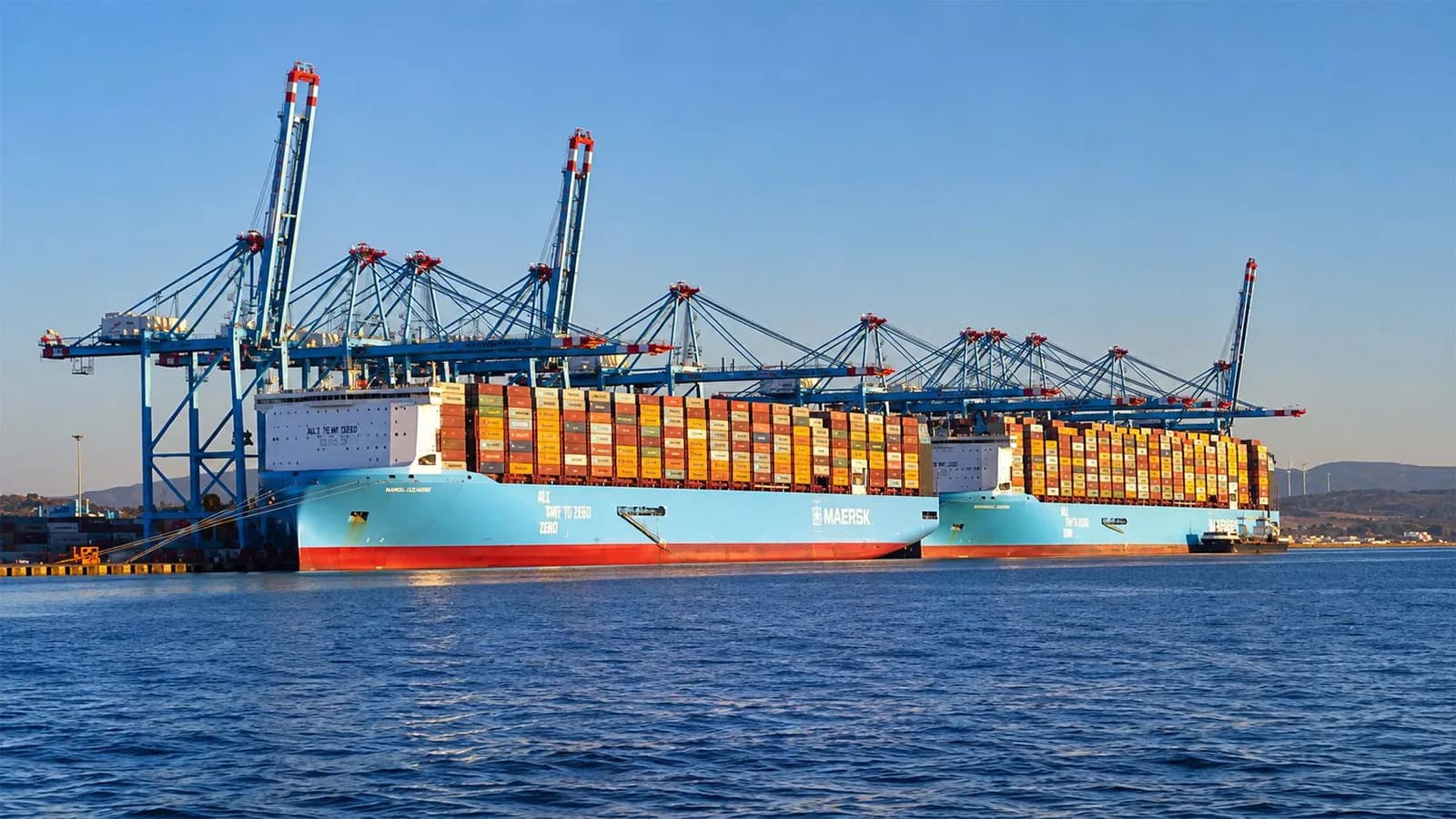
The data presented in Brussels confirms what the Port Authority of Algeciras has been warning since 2020: the implementation of the maritime ETS is generating a diversion of traffic and investments towards ports in third countries not subject to this regulation. According to the Observatory's figures, in the coming years, up to 7.4 billion euros in new projects could be relocated to competing ports located outside the European Union, which would translate into an estimated increase of 60% in their operational capacity, to the direct detriment of European facilities.
In his closing remarks, Landaluce insisted that investment in port infrastructure is irreversible: "Once made in a port, it lasts for fifty years or more, and it does not come back; on the contrary, it competes with our ports." Unlike traffic, which in certain cases can be redirected between European ports within the internal market, lost investment cannot be recovered once it has materialized in third countries.