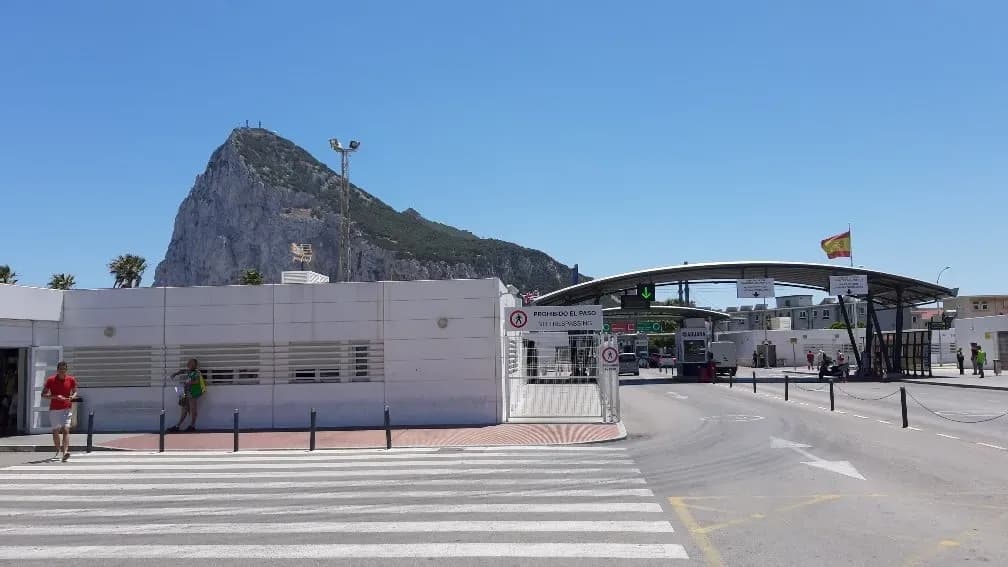
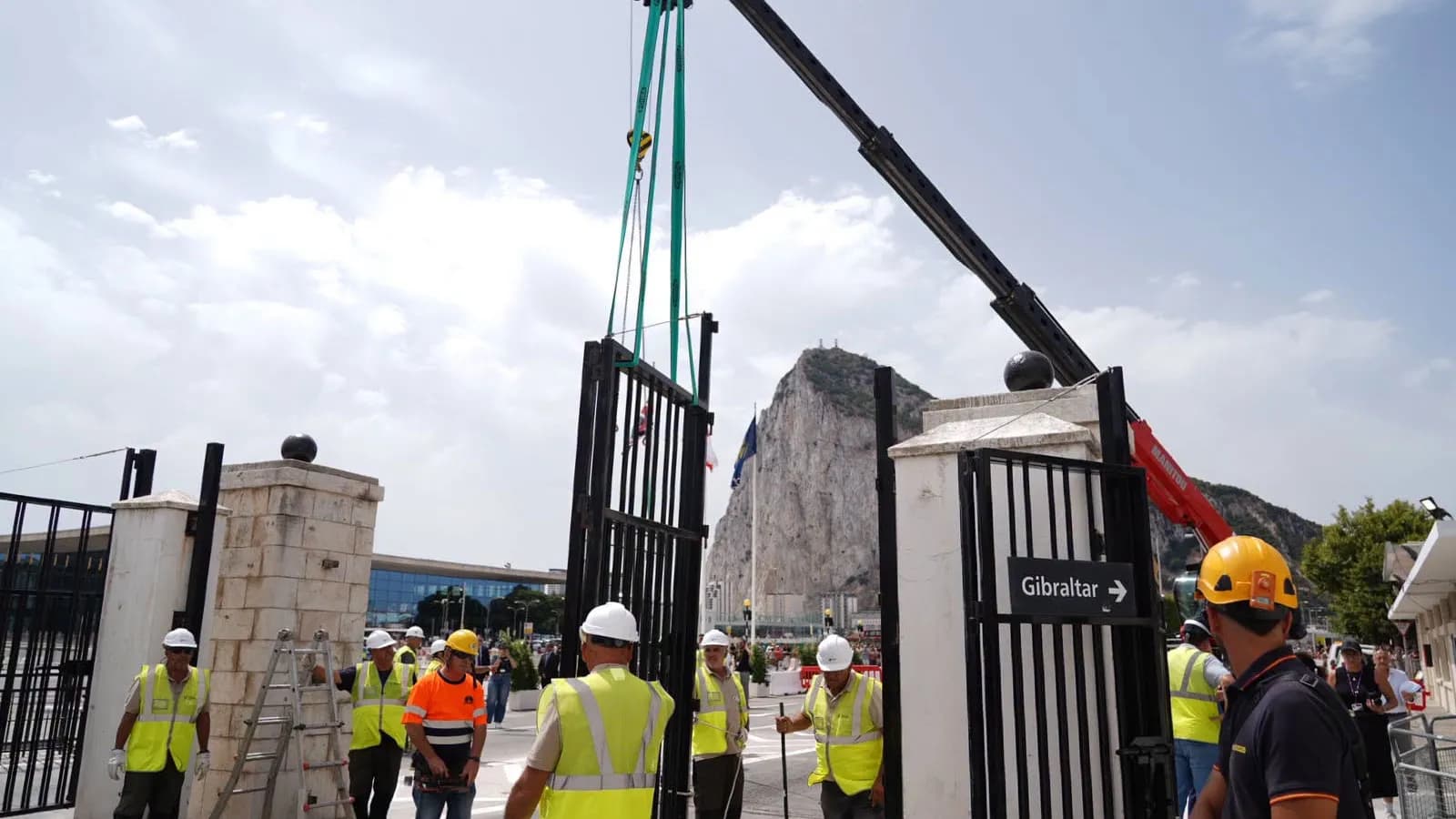
The implementation of measures derived from the Agreement between the European Union and the United Kingdom concerning Gibraltar has generated widespread alarm among the customs agents of the Campo de Gibraltar. The group claims that the new operational guidelines linked to the T1GI and T2GI transit regimes, implemented through the New Computerized Transit System (NCTS), are imposing an unprecedented financial burden and assumption of responsibilities on Algeciras and La Línea de la Concepción customs agencies.
The new system requires operators to establish significant financial guarantees to cover potential customs and tax debts arising from commercial operations with Gibraltar. Customs agents believe that these economic risks are disproportionate and alien to their role as technical representatives of importing and exporting companies, and they remind that they are neither financial entities nor insurers, but professionals specialized in managing customs formalities.
The situation is exacerbated by the trade imbalance between the European Union and Gibraltar. Land exports from EU territory to the Rock exceed 1.5 billion euros annually, while imports from Gibraltar represent a minimal fraction of that volume. As a consequence, the vast majority of the new obligations fall on Spanish operators, particularly on small and medium-sized customs agencies based in La Línea de la Concepción and Algeciras.
The sector estimates that the total volume of guarantees and assurances that companies will have to maintain far exceeds 400 million euros, a figure that they consider unmanageable for many companies. Beyond the financial impact, operators warn of a setback in the management of commercial flows: the new requirements replace agile and consolidated procedures with a more complex, bureaucratic, and rigid operation, which increases processing times and multiplies the risk of incidents and delays at the border.
Customs agents assert that the responsibility for providing the guarantees linked to commercial operations should rest with the owners or importers of the goods, and not with the customs representatives acting on behalf of third parties. In their view, the currently applied interpretation disproportionately shifts the risks of the operation to those who merely perform intermediary and representation functions. The group also points out that the Agreement transfers responsibilities for control and combat against customs and tax fraud that, according to community and national law, correspond to Customs and the Civil Guard to private companies and professionals.
If corrective measures are not urgently introduced, the sector warns that as of July 15 there is a real risk of blockage in commercial flows, especially in exports from the European Union to Gibraltar. The consequences, according to the group, would be the increase in the daily supply costs of the Rock, severe deterioration of the logistical fabric of the Campo de Gibraltar, and the destruction of qualified jobs in the Andalusian customs sector.
In light of this situation, customs agents from the Campo de Gibraltar demand that the Ministry of Finance relax the imposition of guarantees and responsibilities, as well as a global dispensation from the customs sealing of vehicles and goods. The group also requests the immediate opening of a technical dialogue table with the Tax Agency and the Ministry of Finance to review the required guarantee regime, seek proportionate solutions, and preserve the competitiveness of a sector that they consider strategic for the economy of the region and for the supply of the Rock.
Customs professionals reiterate their commitment to the proper functioning of the new procedures, but they demand that their application adheres to criteria of proportionality, legal security, and economic reality, so that the pursuit of greater controls does not compromise the viability of those who make cross-border trade possible in the southern border of the European Union.