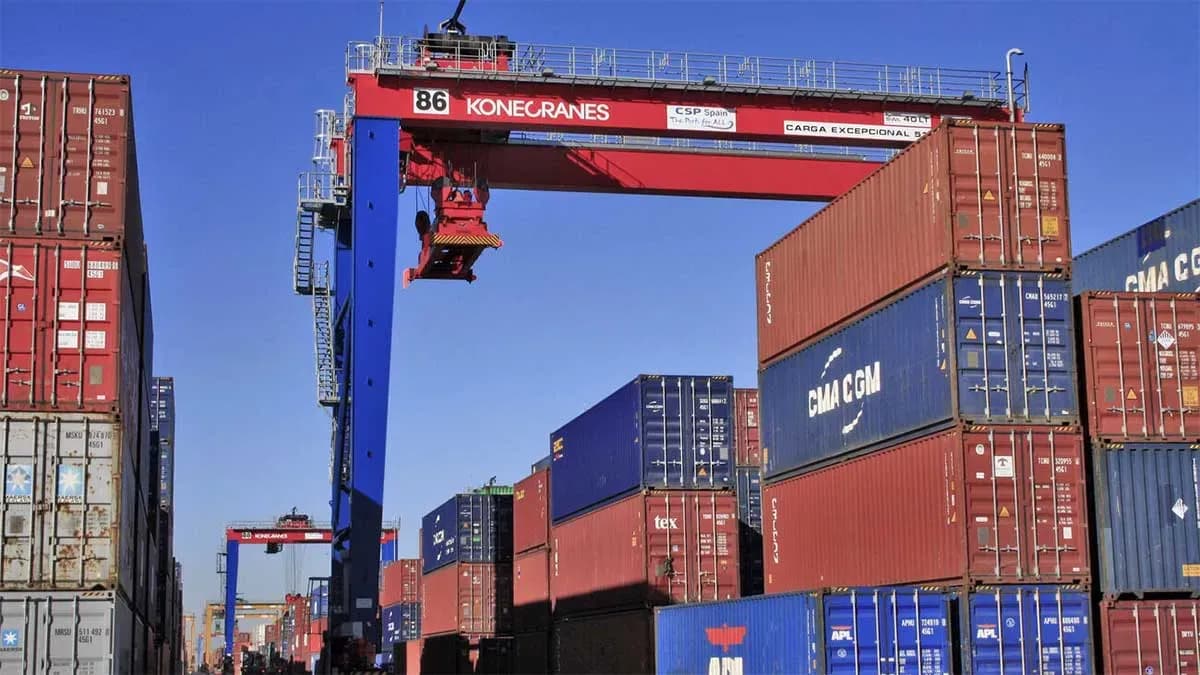
Konecranes has announced the extension of its Predictive Services offering to rubber-tired gantry cranes (RTG) and rail-mounted gantry cranes (RMG) of its manufacture worldwide. The expansion, which the company considers a significant step in strengthening its port services portfolio, is supported by the predictive services platform that Konecranes already had in operation for its Gottwald mobile harbor cranes (MHC).
The extension of this predictive technology to RTG and RMG yard cranes allows terminal operators to apply data-driven analytics to a larger proportion of their Konecranes equipment fleet. According to the company, predictive approaches can help reduce maintenance costs and decrease the inventory needs for spare parts compared to reactive maintenance strategies, where interventions occur once a failure has already happened.
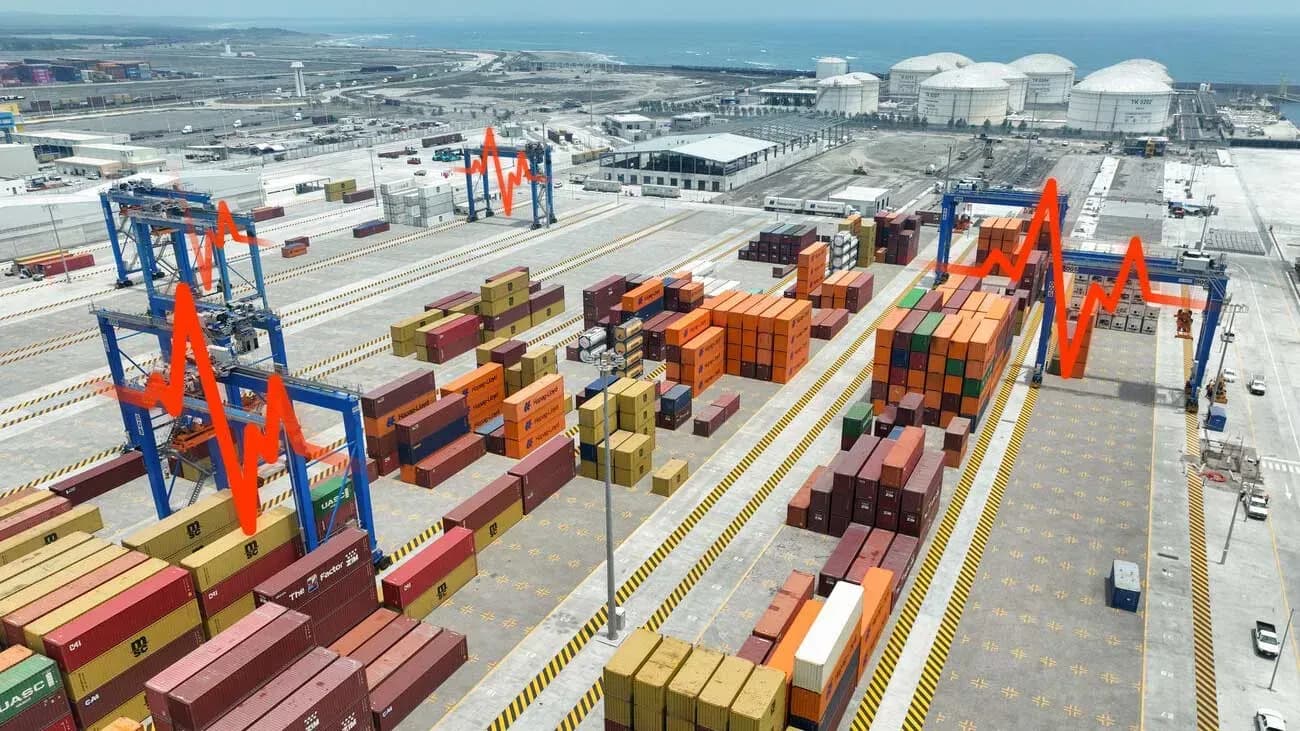
Konecranes' Predictive Services are based on vibration sensors installed on the critical rotating components of the cranes, including the hoist and trolley drive motors, gearboxes, and bearings. These elements are crucial for the availability of yard cranes, as failures in these components can lead to prolonged downtime if not detected in a timely manner.
The operational data collected by the sensors is transmitted to Konecranes for analysis, and the results are delivered to customers through the yourKONECRANES portal. The system incorporates an exception notification model that allows maintenance teams at terminals to focus their interventions selectively on the points that require attention, thereby contributing to reduced downtime and improved spare parts planning.