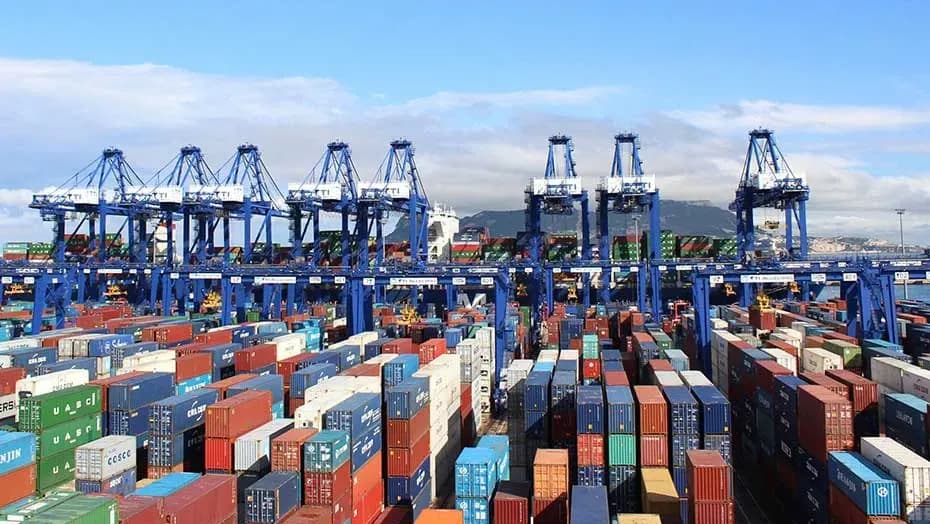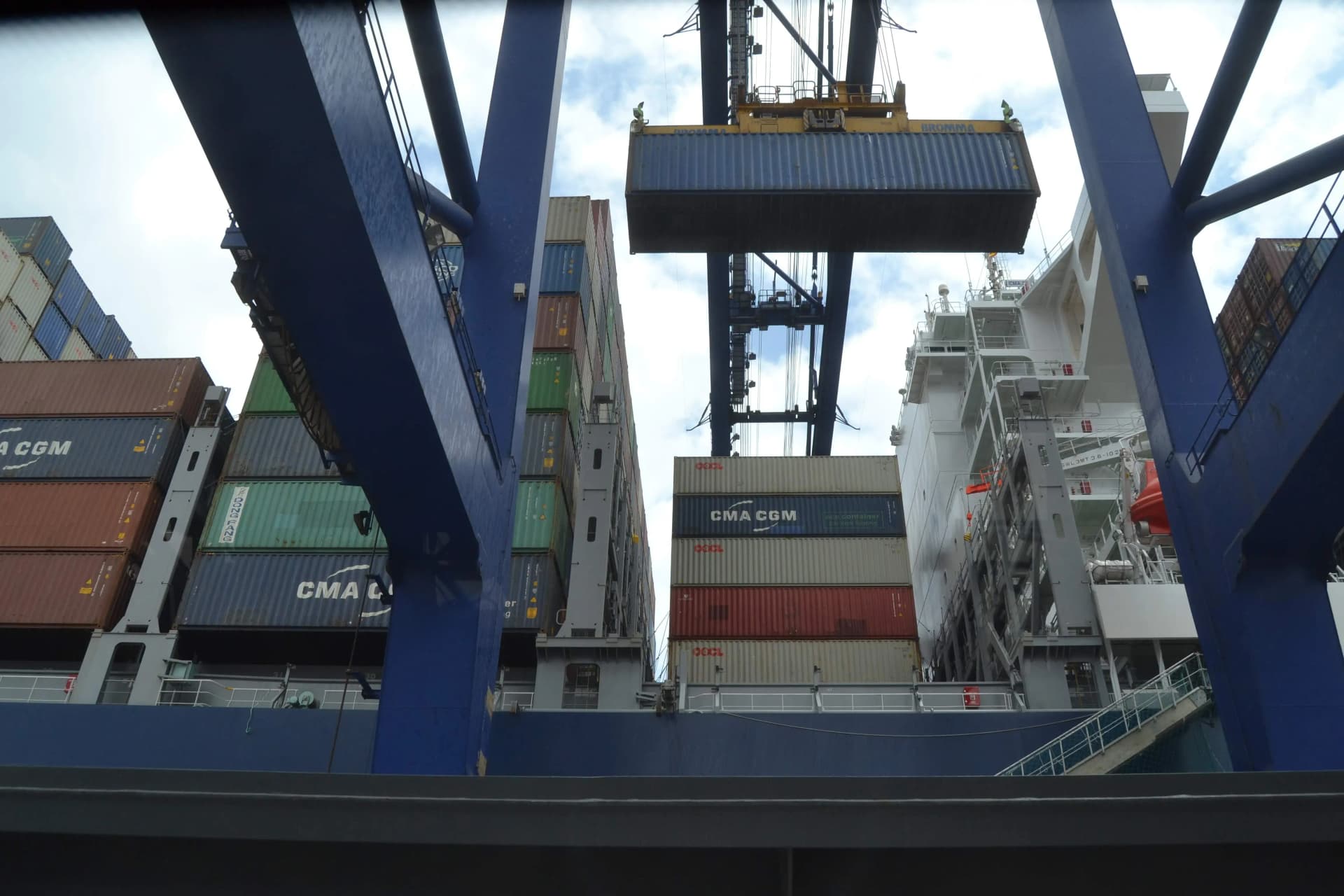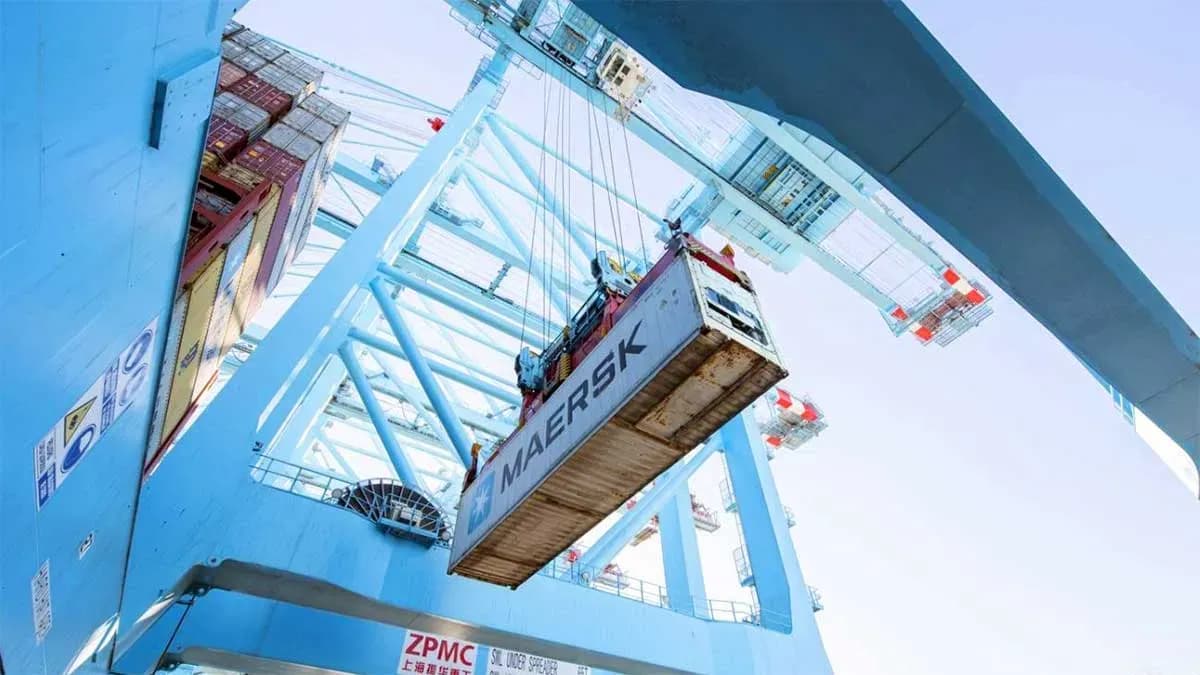
State-owned Spanish ports closed the first half of 2026 with 9,417,467 TEUs handled, 2.4% more than in the same period of the previous year. The data, published by Puertos del Estado as of June 30, places the whole system above 9.4 million containers between January and June.
Valencia retains leadership with 2,822,376 TEUs, after a 0.3% increase compared to the equivalent semester of 2025. The Port Authority of Algeciras Bay (APBA) holds second place with 2,380,131 TEUs and a growth of 3.5%. The Port of Barcelona closes the podium with 1,926,926 containers and a rise of 4.3%, the largest among the three major peninsula hubs. The sum of the three enclaves reaches 7,129,433 TEUs, around 76% of the total traffic of the system in the first half.
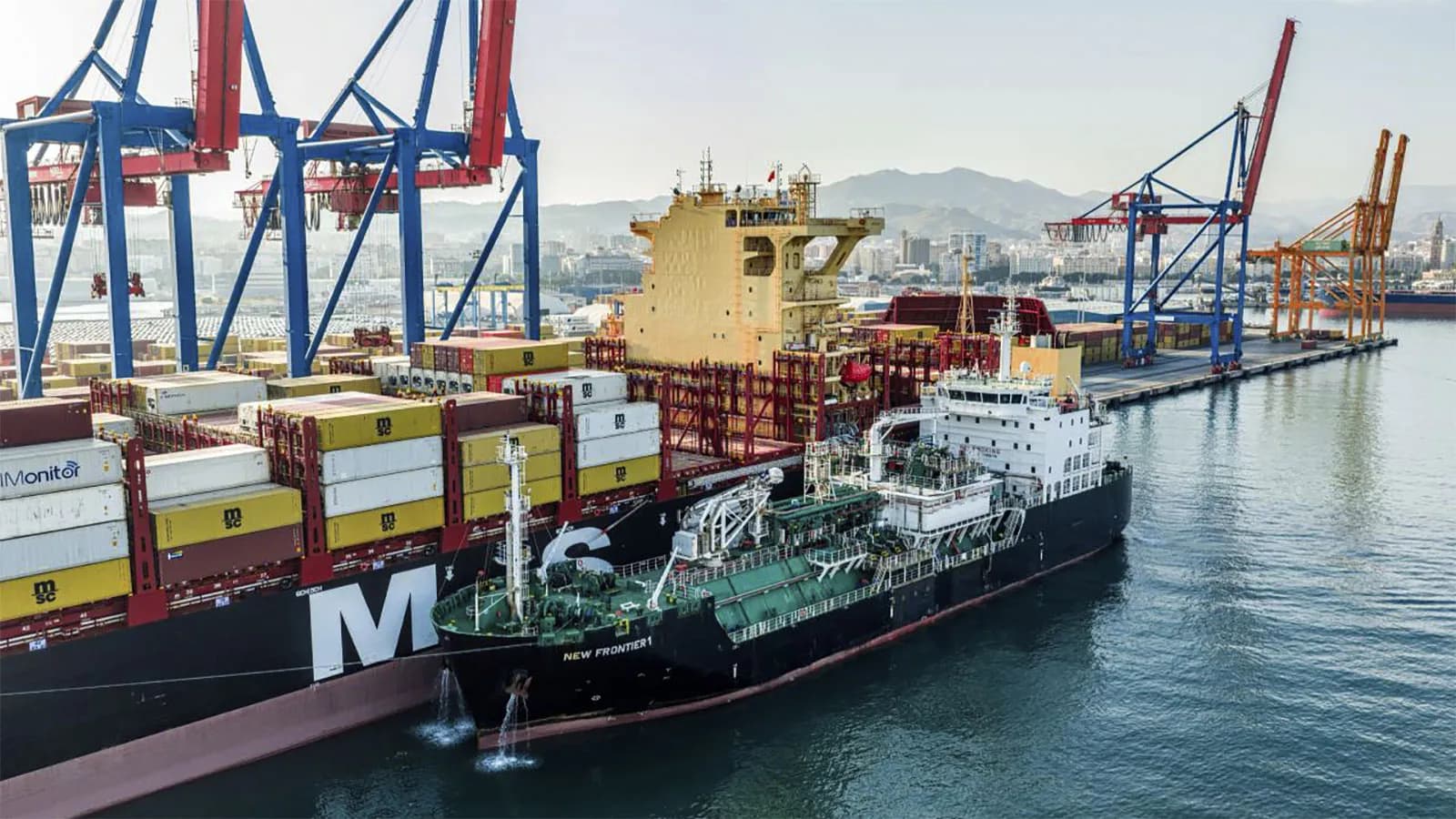
In the next tier, Las Palmas moved 762,664 TEUs between January and June, 3.2% more than in the same period of 2025. Santa Cruz de Tenerife, on the other hand, fell by 11% to 250,966 containers. Bilbao recorded 210,800 TEUs and a decline of 2.9%, while Malaga recorded 206,138, a 16.6% increase compared to a year earlier, the largest increase among ports with more than 200,000 containers.
Balearic Islands closed the semester with 42,855 TEUs (+3.3%) and the Port Authority of Cádiz Bay with 103,855 (-1.5%). Vigo maintained stable figures with 155,655 containers, just 0.2% above 2025. Sevilla grew by 12% to 82,161 TEUs, Santander 7% to 85,755, and Huelva fell by 27% to 60,459 containers.
The largest percentage increases of the semester correspond to ports with reduced volumes. Ceuta multiplied its traffic by 63.4%, to 4,515 TEUs. Castellón rose by 43.6% and reached 76,563 containers. Alicante grew by 30.6%, to 122,142 TEUs. Vilagarcía added 21,206 (+23.2%) and Tarragona 8,035 (+7.7%). In Marín and the Ría de Pontevedra, traffic was 21,219 TEUs, a 1.1% increase compared to a year before.
On the opposite side, Almería fell by 36.4% to 7,198 TEUs, Melilla lost 23.4% (1,794), and Ferrol-San Cibrao recorded 7,082 containers, 58.9% less than in the previous semester. Cartagena moved 21,582 TEUs and lost 3.6%. Motril and La Coruña, with marginal container activity, did not register traffic during the period. Gijón maintained the figure of 35,376 TEUs, practically the same as a year before.
The data includes loading, unloading, transit, and transshipment, and reflects the traffic handled by the 28 port authorities of the system. The result shows a contained growth rate across the whole, with moderate increases in the three major Mediterranean hubs and unequal behaviors in the Atlantic arc. Only Barcelona and Algeciras exceed 3% growth among the large facilities, while Valencia remains practically flat.
The reading by façades is also heterogeneous. In the Mediterranean, the Valencia-Barcelona-Algeciras axis concentrates the bulk of the traffic and transit, with Malaga as a secondary growing enclave. In the Canary Islands, Las Palmas gains volume while Santa Cruz de Tenerife loses weight. The peninsula's Atlantic façade offers a mixed balance, with clear setbacks in Huelva and Ferrol-San Cibrao against the good performance of Sevilla and Vilagarcía. The Cantabrian Sea shows declines in Bilbao and moderate growth in Santander.