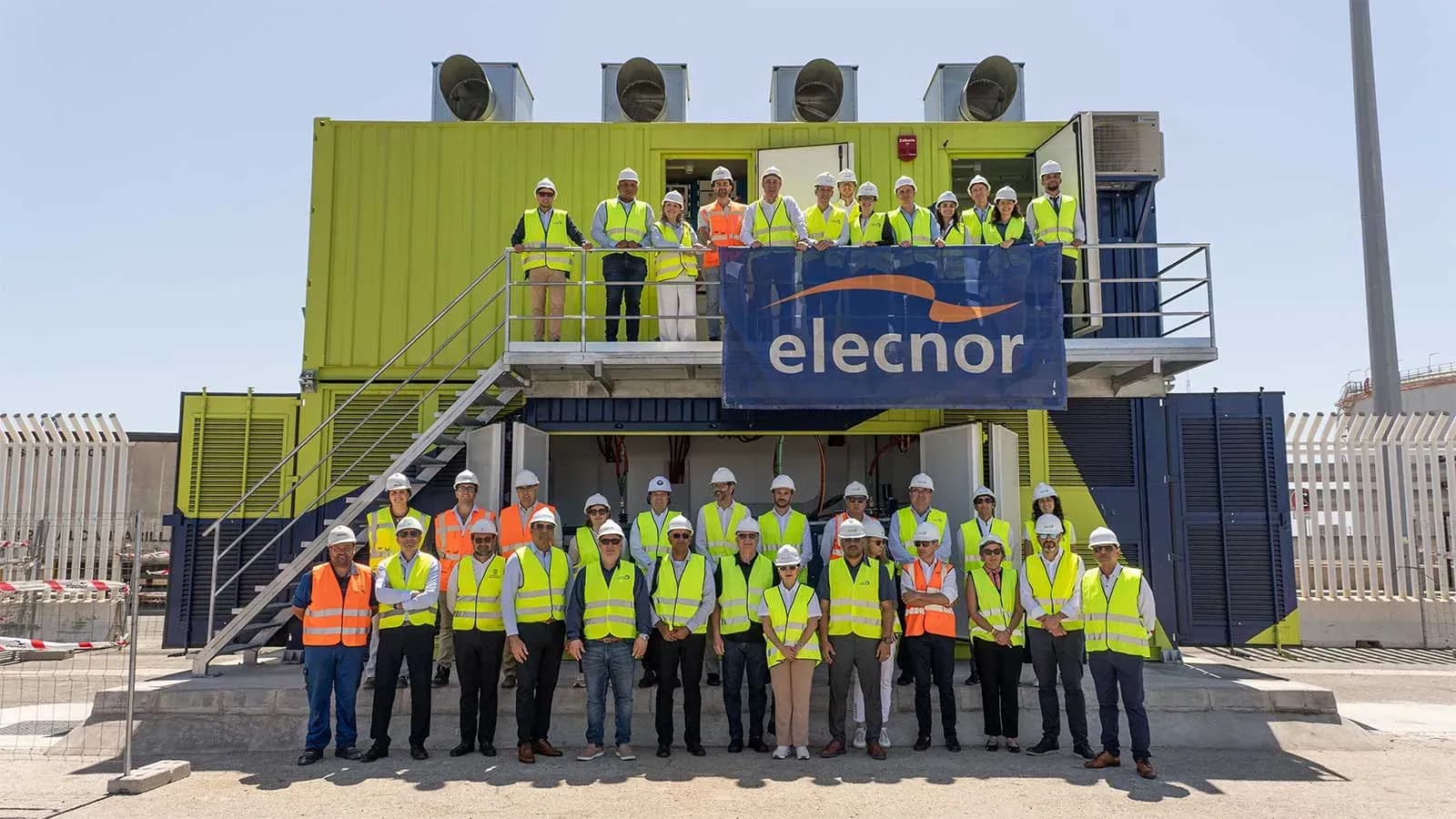
The UCA-Sea building of the Maritime Lake Port of Algeciras has hosted an international seminar over two days dedicated to electrification projects at the docks, one of the main challenges faced by ports on the path to decarbonization in the sector. The event gathered experts from Spain, Panama, and Colombia to delve into regulatory frameworks, the state of implementation, costs, difficulties, and solutions related to all links in the electrification process, from the needs for electrical power to the adaptation of vessels to different routes.
The workshop is part of the Panama-Algeciras Green and Digital Maritime Corridor, a project selected as emblematic by the European Commission's Global Gateway initiative, which aims to promote the use of alternative fuels in maritime transport. Colombia participates in the meeting as a key player due to its capacity to produce alternative fuels.
The president of the Port Authority of the Bay of Algeciras (APBA), Gerardo Landaluce, has stated that "the decarbonization via electrification of the maritime sector is a true revolution and has to be collaborative, for everyone and by everyone," a task that involves both public and private initiatives. Beatriz González, a decarbonization specialist at the Panama Canal Authority, has emphasized the importance of the alliance with Algeciras and the commitment to achieve net zero emissions by 2050, while Gerardo Bosque, director of the Panama Maritime Chamber, has highlighted the need to unite efforts and work as a team to realize decarbonization projects.
From Ports of the State, the head of the Commercial Services Department, Verónica Verdesoto, has indicated that, beyond the adoption of Onshore Power Supply (OPS) technology —"a subject practically mastered that we will certainly achieve by 2030 according to European regulations"—, the meeting allows for exploring a future of electrification of all port activities based on renewable energies, aiming to achieve zero emissions across all port logistics by 2050.
Francisco Iglesias, head of Electrical Installations Planning at the APBA, has detailed the electrification process at the Port of Algeciras, from the complex project of connecting to the high voltage grid —which currently provides the port with a total power of 114 MVA until 2030— to future plans that will allow the facility to reach 144 MVA to reliably meet the increased demand caused by the decarbonization of fleets, vehicles, and machinery. Iglesias also addressed projects to provide the port with energy autonomy against blackouts and the increase in solar energy production within the facility, which already totals nearly 3 megawatts.
The first intercontinental green maritime route, the Tarifa-Tangier City, has also been a topic of attention during the seminar. José Poblet from Cotenaval explained that in 2027, the first of the electric fast ferries that Baleària is building at the Armón shipyards in Gijón will operate between Spain and Morocco, designed and adjusted specifically for the conditions of this route, which in summer faces peak rotations throughout the 24 hours of the day with very limited times to recharge the vessel. Poblet detailed the solutions devised both on the ship and at the charging facilities and supply points in Tarifa and Tangier, a project whose investment exceeds 150 million euros.
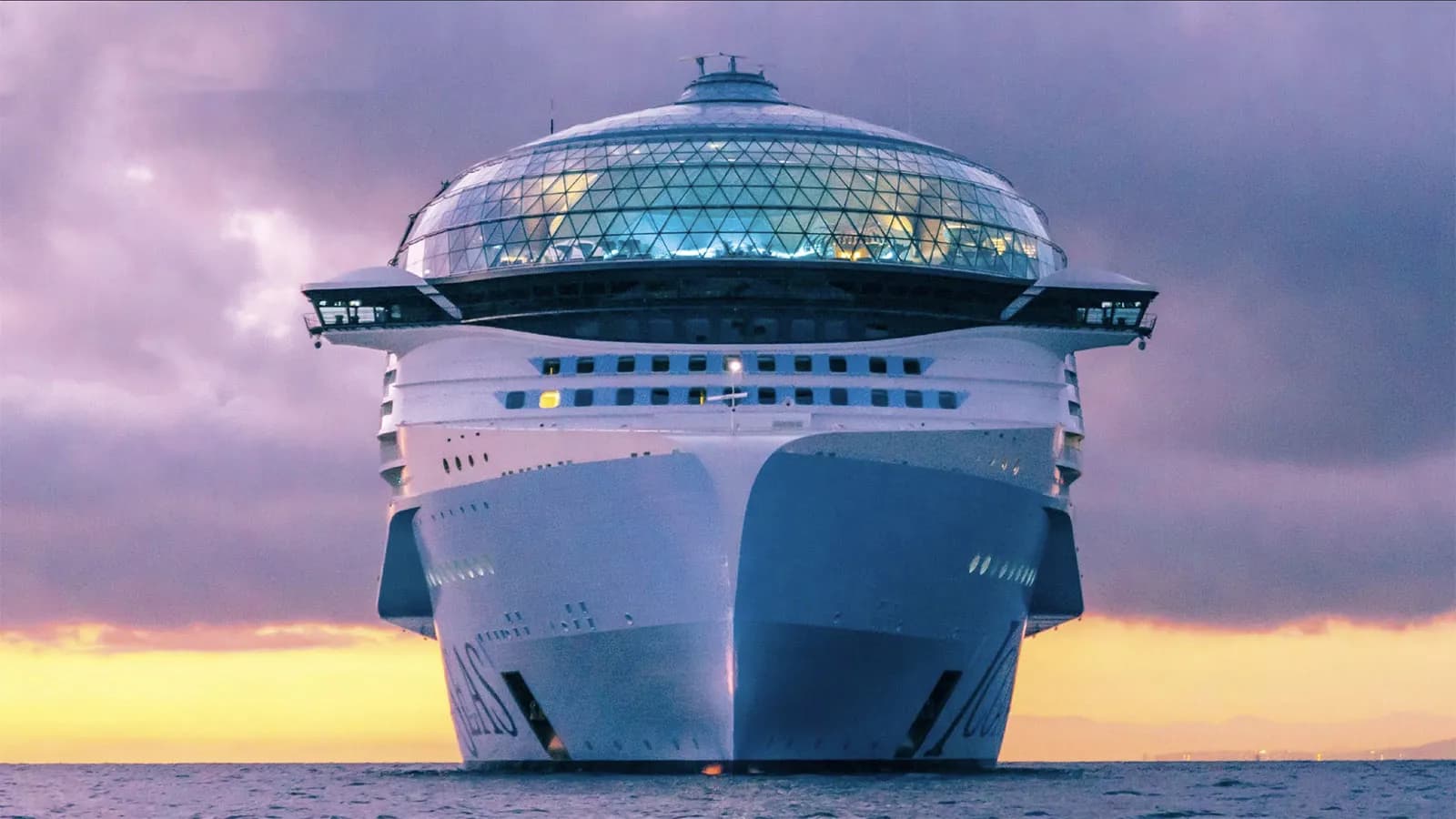
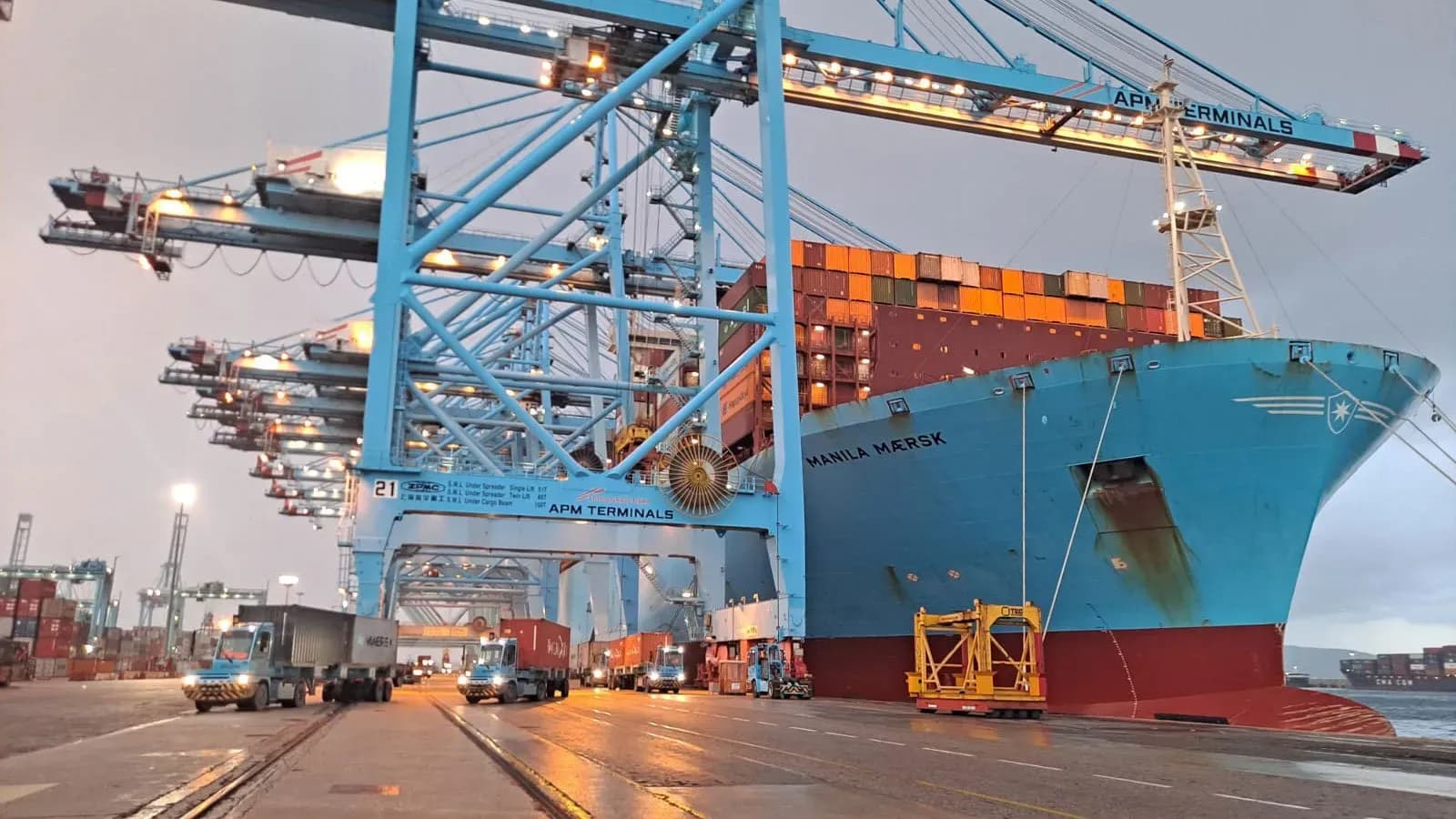
Among the topics addressed during the meeting, advances in electrification at APM Terminals Algeciras and TTI Algeciras, the H2 Tractor from EVO, and the deployment of OPS in Panama were also discussed. Participants later traveled to Cádiz to learn about the already operational OPS installation at the cruise dock of the Cadiz port.
The workshop has been organized by the APBA together with the Panama Canal Authority, the Port Authority of the Bay of Cádiz (APBC), Ports of the State (OPPE), and the University of Cádiz (UCA), with the economic support of the European Commission through the Global Gateway Strategy. The meeting takes place at a time when European regulations —particularly the FuelEU Maritime regulations and the Alternative Fuels Infrastructure Directive (AFIR)— require ports to make increasing investment efforts in electrical infrastructure, while compliance deadlines are approaching and energy demand at port facilities continues to grow.