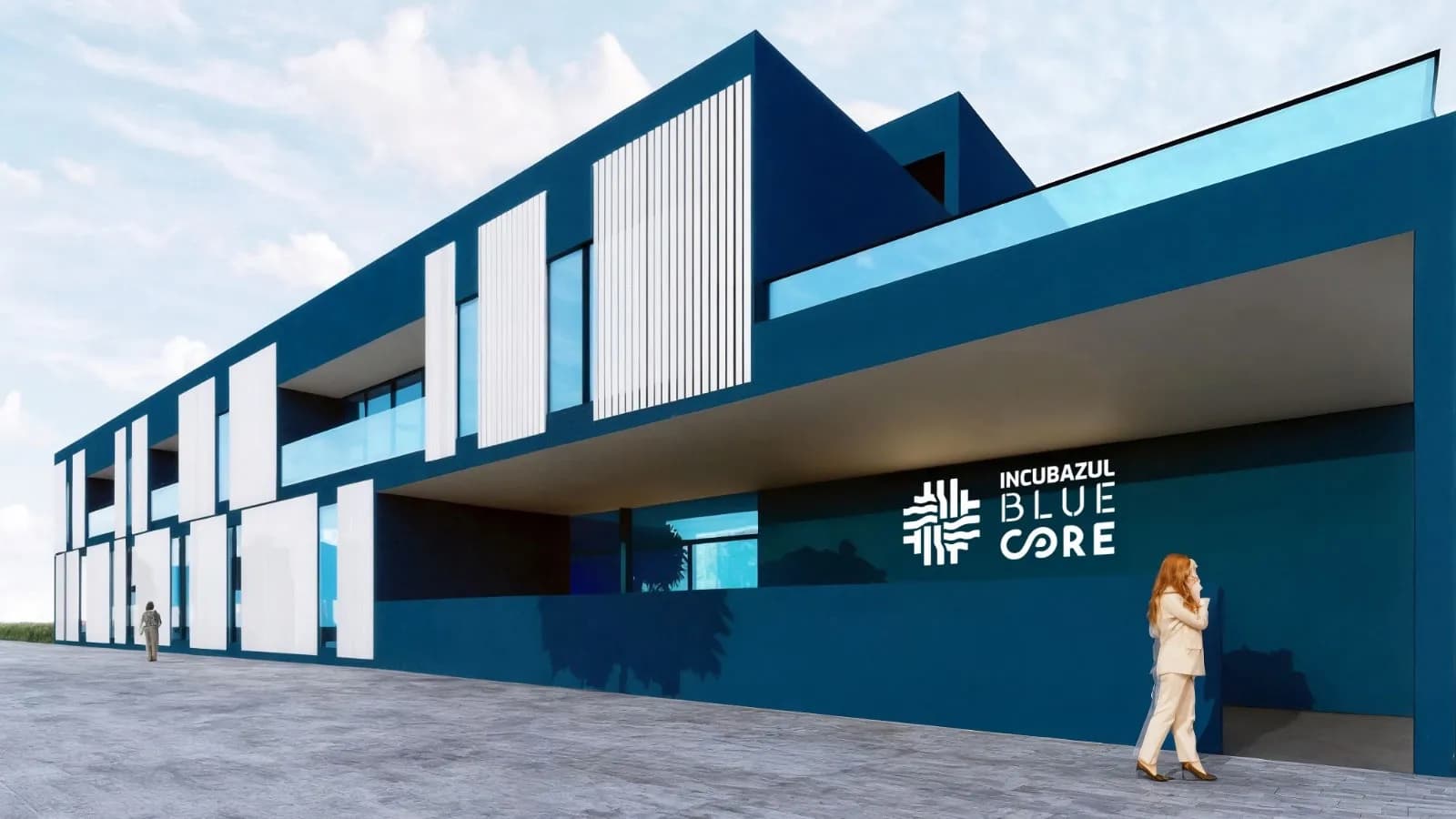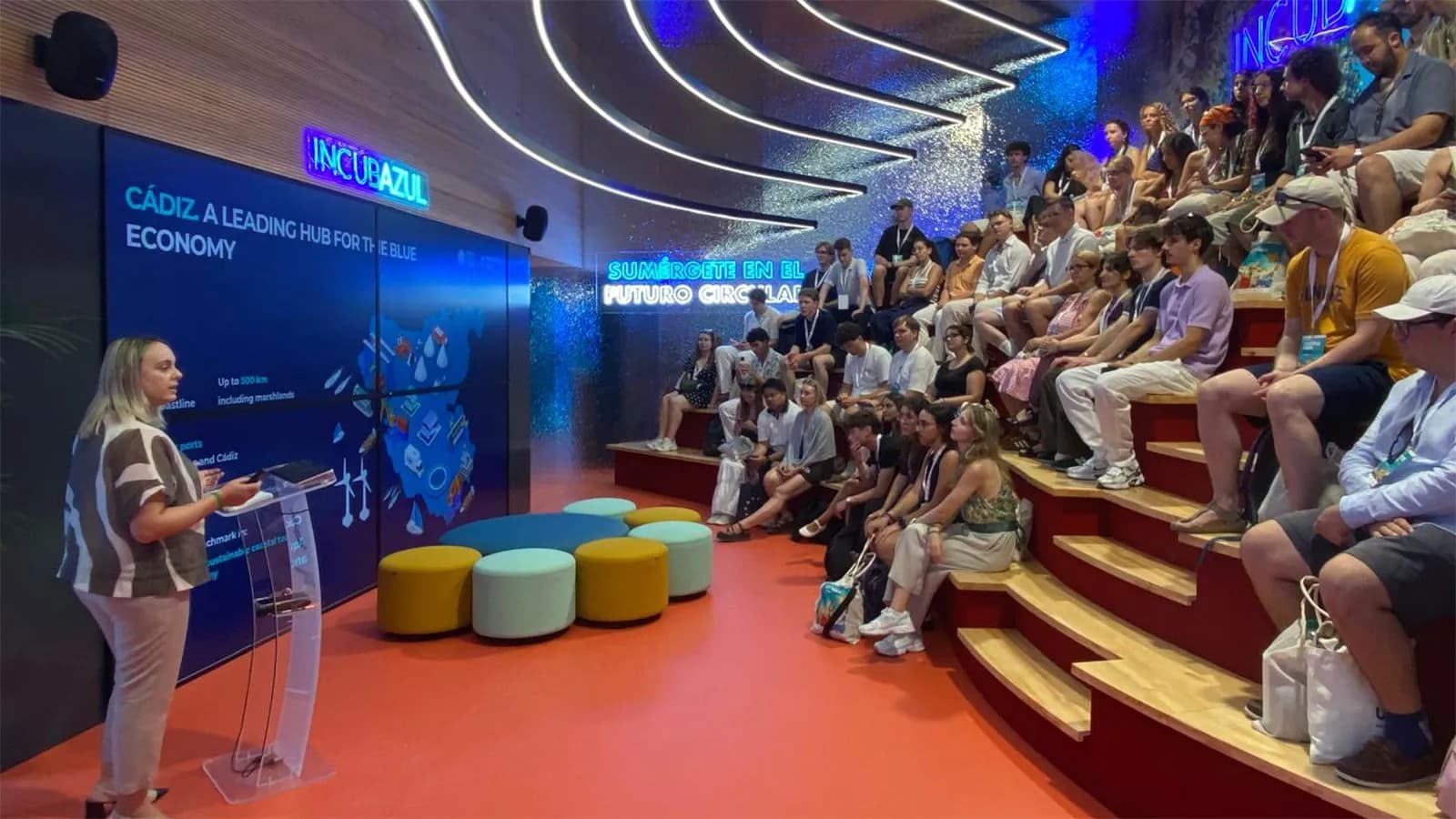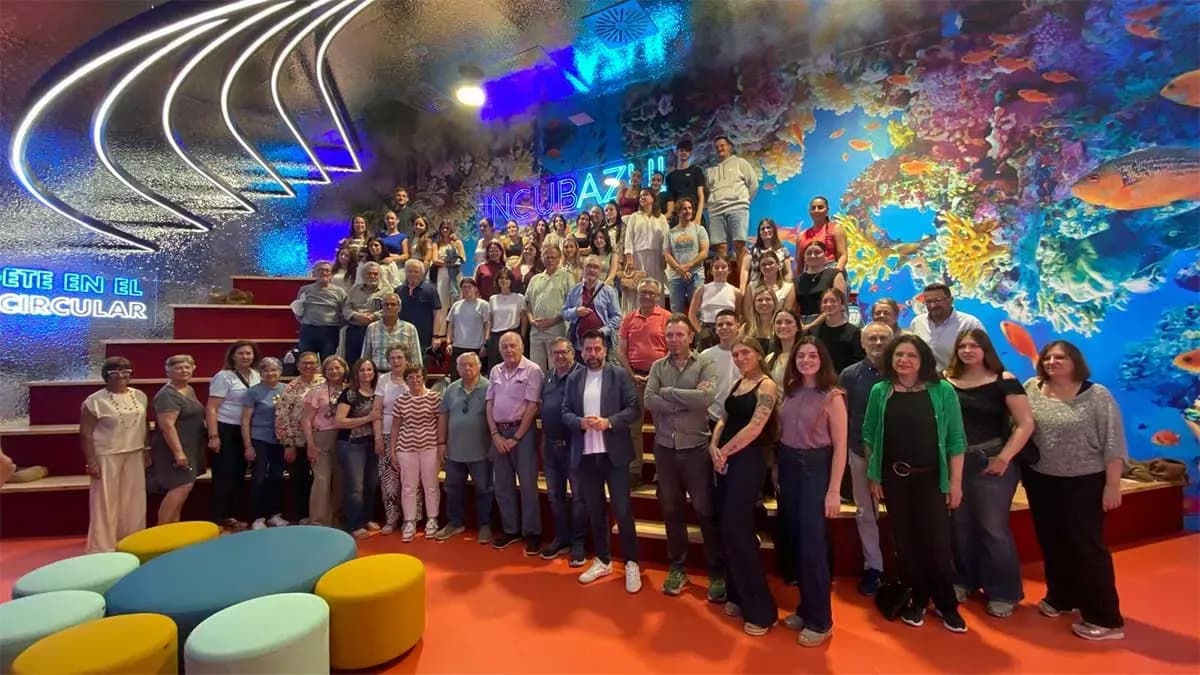
The Zona Base-Incubazul building of the Free Trade Zone of Cádiz hosted this Thursday a awareness day on hypertension and healthy eating organized in collaboration with Marisma Biomed, a company integrated into the Incubazul-Blue Core ecosystem, on the occasion of World Hypertension Day, celebrated last Sunday. The initiative brought together healthcare professionals, institutional representatives, patients, and entities linked to the fields of health and innovation to address one of the main current public health problems: excessive salt consumption and its direct relationship with cardiovascular diseases such as stroke or heart attack.
The State delegate for the Free Trade Zone of Cádiz, Fran González, was the one in charge of opening the meeting and pointed out "the importance of initiatives like this, especially when it comes to a fundamental issue for health and general well-being, and all of this also linked to innovation and the Blue Economy, which enriches our ecosystem day by day." González added that "we are very happy to be able to contribute our grain of sand, since from the Free Trade Zone, we have always bet and continue to bet on supporting companies and startups in their consolidation path, from whom we also obtain continuous learning."
One of the central axes of the day was the presentation of the work developed by Marisma Biomed around functional salts low in sodium, an innovation line that connects health, sustainability, and healthy eating from the Blue Economy ecosystem that articulates Incubazul-Blue Core. The session included participation from Joan Montaner, a neurologist and founder of Marisma Biomed, as well as healthcare professionals and representatives from the pharmaceutical and associative fields, who shared experiences and reflections on prevention, diet, and cardiovascular health.
During the meeting, the impact of excess sodium on the population and the need to explore more balanced food alternatives was addressed. In this context, Marisma Biomed's work is geared towards the development of products that allow for sodium intake reduction without compromising the organoleptic properties of salt, a proposal that fits within the intersection between biomedical research and the food industry.