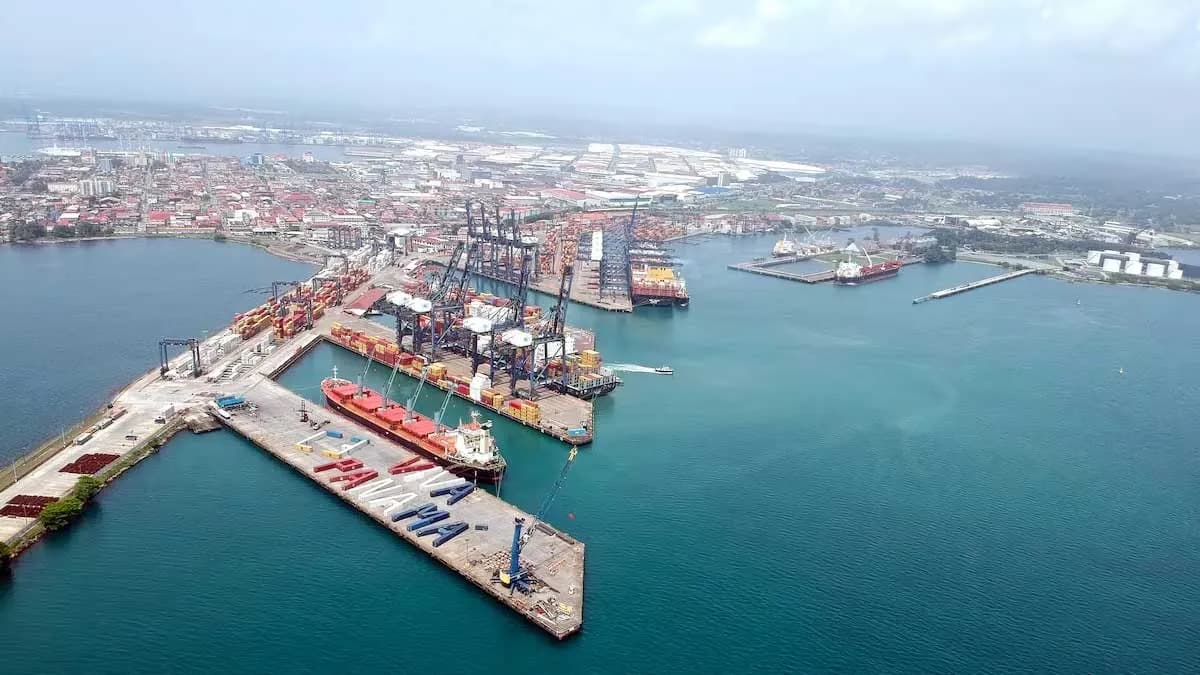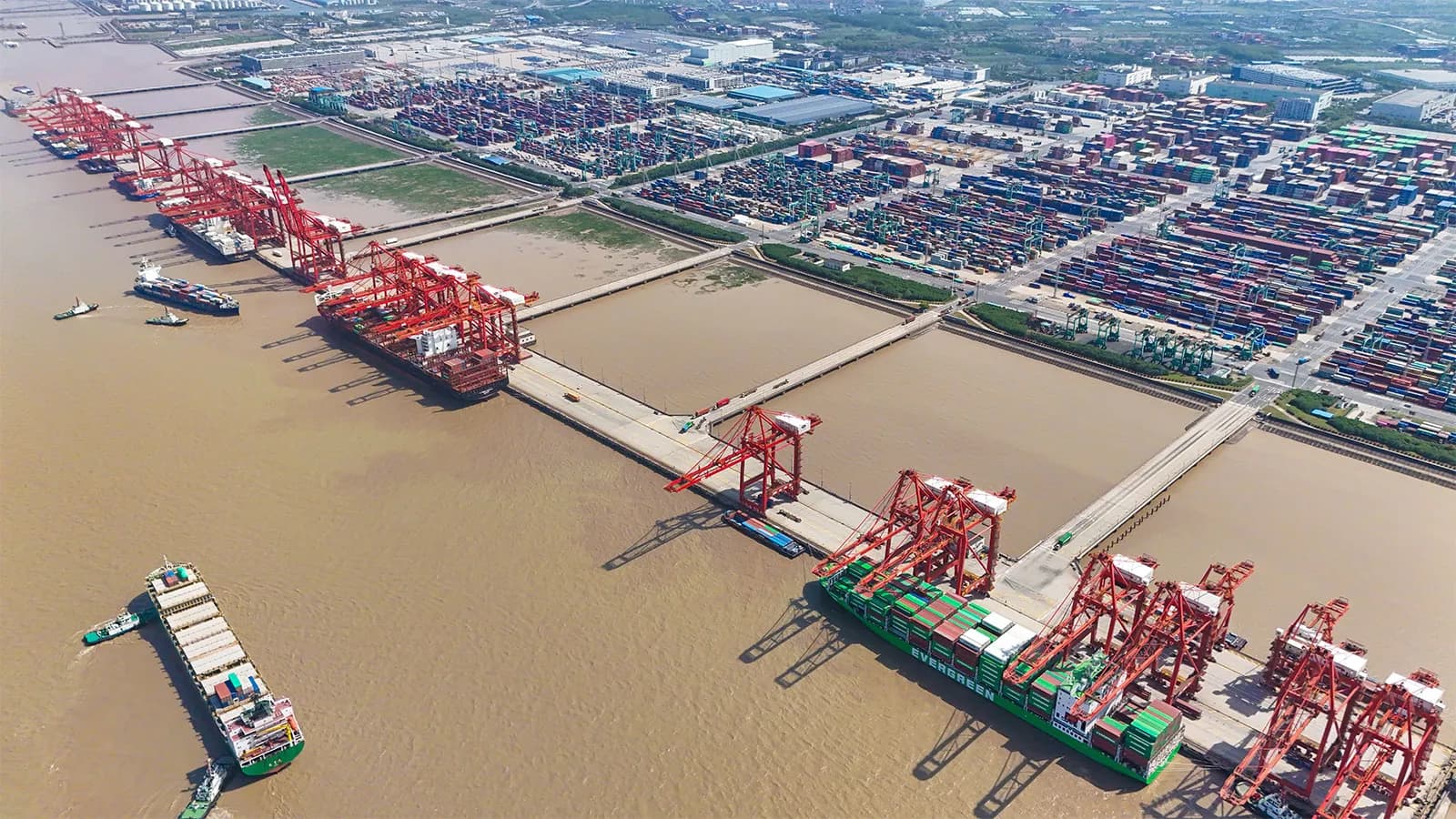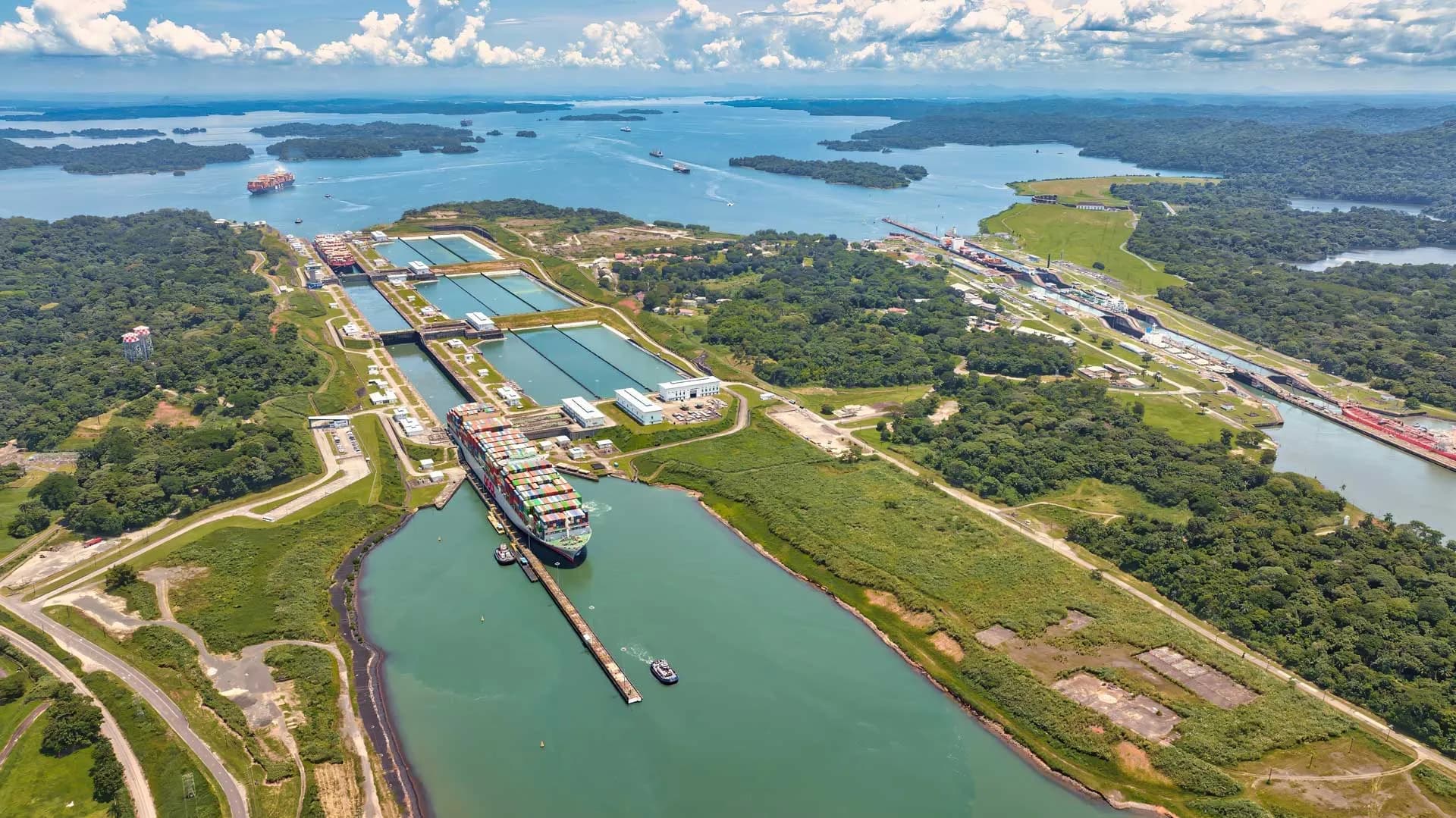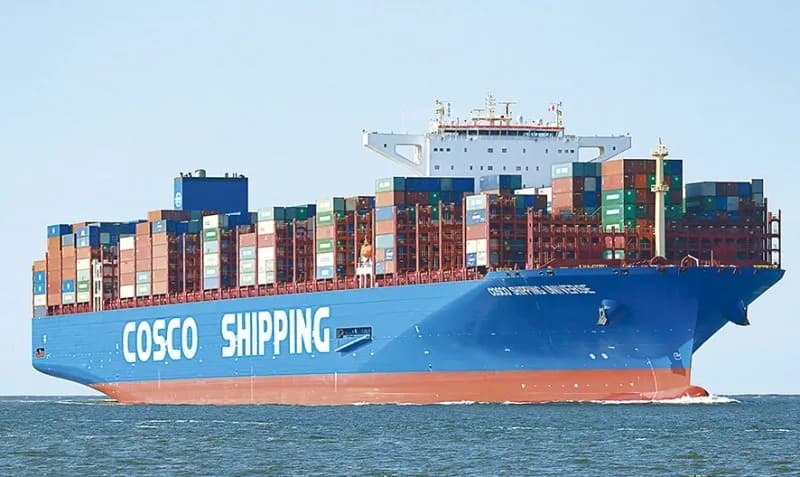
The Chinese state shipping company COSCO Shipping Lines and its subsidiary Orient Overseas Container Line (OOCL) have immediately suspended all their calls at the port of Balboa, located at the entrance of the Panama Canal on the Pacific side, according to the Panamanian newspaper La Prensa. The decision means that the vessels of both lines will stop arriving and departing from this terminal, and that the already booked cargo to transit through Balboa will not be transported as planned, prompting the shipping company to ask its customers to seek logistical alternatives. Empty containers will also not be able to be returned in Balboa and must be delivered at terminals located on the Atlantic side of Panama, specifically at Manzanillo International Terminal and Colón Container Terminal.
COSCO's notice, dated March 10, does not specify the reasons for the suspension. Nevertheless, the measure occurs in a context of increasing diplomatic tension between China and Panama following the Panamanian government's decision to cancel the concession that CK Hutchison Holdings, a Hong Kong-based business group, held for the operation of the ports of Balboa and Cristóbal through its subsidiary Panama Ports Company (PPC). Beijing has strongly criticized Panama's decision, viewing it as an action contrary to the interests of Chinese investors in the region.
Following the cancellation of the concession, the Panamanian government temporarily assigned the operation of Balboa to APM Terminals, a subsidiary of the Danish group AP Møller-Maersk, while the port of Cristóbal, on the Atlantic side of the Canal, remained under the management of Terminal Investment Limited (TIL), the investment arm in port terminals of MSC Mediterranean Shipping Company. The entry of these two large global operators in place of PPC has generated a controversy that transcends the strictly port sector and has acquired a first-order geopolitical dimension, involving the interests of China, the United States, and the world's leading shipping companies in one of the most strategic enclaves of international maritime trade.
The suspension of calls by COSCO and OOCL at Balboa represents an operational response with significant logistical implications. COSCO is the largest shipping company in China and one of the five largest in the world by container transport capacity, while OOCL, acquired by the COSCO group in 2018, operates an important network of transpacific and Asia-Europe services that includes calls at the Panama Canal. The withdrawal of its vessels from Balboa requires reconfiguring the routes and cargo flows that transited through this terminal, which will affect importers and exporters who used this port as a connection point in their supply chains.