Evos, SEFE, and Petrogas E&P have signed a non-binding memorandum of understanding (MoU) to study the coordination of the technical, operational, and commercial aspects related to the transport and storage of carbon dioxide (CO₂). The agreement brings together three companies that operate in different segments of this chain and aims to identify the integration requirements and define the next steps to set up a joint system.
The approach considers Evos' infrastructures for the storage and handling of liquid CO₂, the activity that SEFE is studying to develop in the management of this gas, and Petrogas E&P's Abeona project for its storage in old oil fields in the Dutch North Sea.
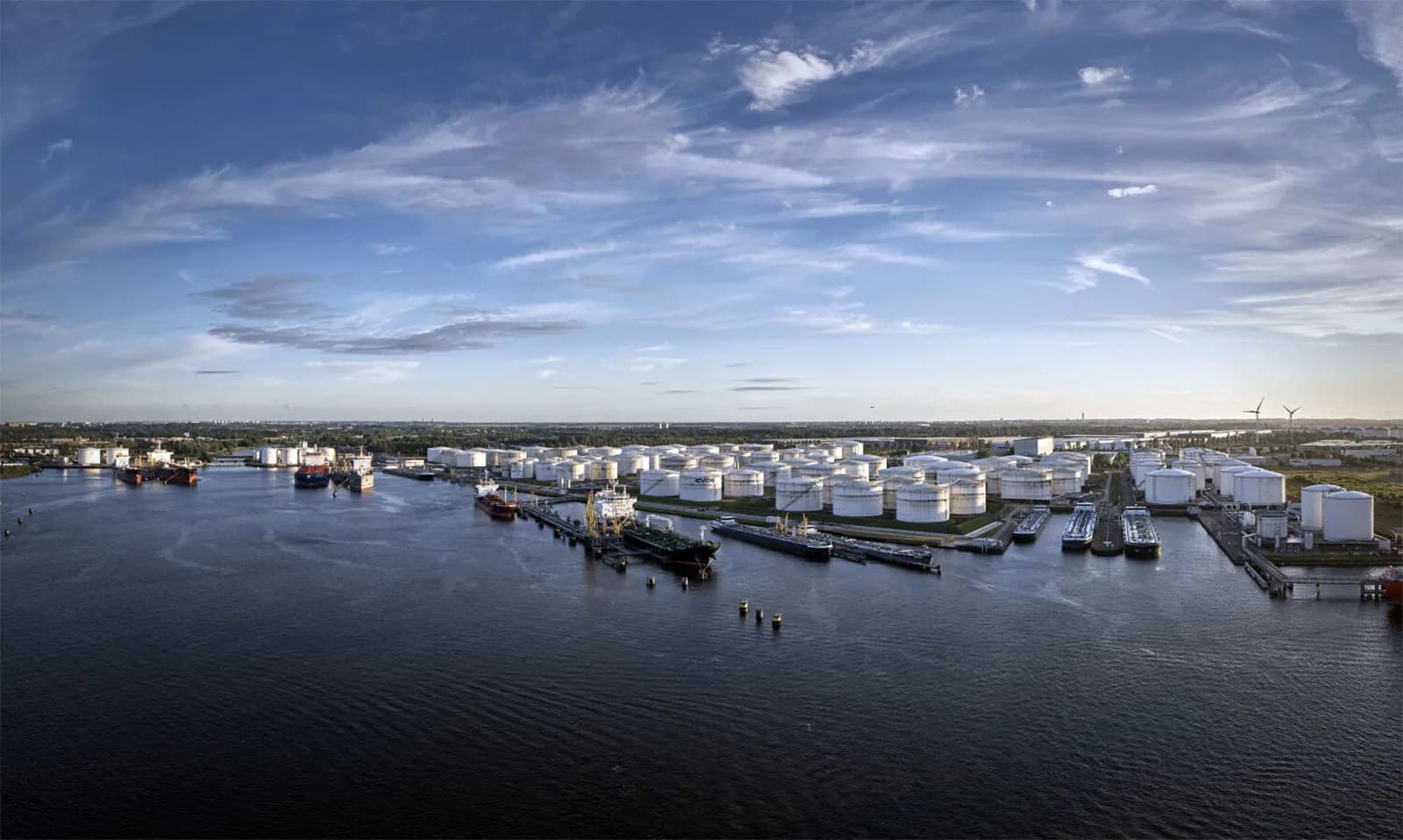
Evos operates tank terminals in several European ports and is analyzing, along with potential partners, the development of facilities to store and handle liquid CO₂. Among the locations considered are its terminals in Amsterdam and Hamburg, where the captured CO₂ could be concentrated and kept stored temporarily before being transported to permanent geological storage facilities.
The company has a direct pipeline connection from its Amsterdam terminal to Petrogas' storage site, according to the statement. In Hamburg, the infrastructure has the capacity to manage a high number of railcars.
Jorden van Foreest, Business Development Director of the Evos Group, has stated that the company considers the terminals in Amsterdam and Hamburg as potential CO₂ export hubs. In this context, he referred to both the existing pipeline connection in Amsterdam and the possibilities for rail transport from Hamburg.
SEFE, for its part, is studying its participation as a possible CO₂ manager through the integration of different components of the carbon capture and storage (CCS) chain, from gathering and transport to permanent storage in suitable geological formations.
The company is working with other partners on the development of transport solutions and obtaining access to storage capacity in Europe. SEFE supplies over 200 TWh of gas and electricity annually and has more than 50,000 customers, according to the data included in the statement.
Markus Menges, Senior Vice President of Technology and Innovation at SEFE, has indicated that CCS projects require collaboration from the different participants in the chain. Cooperation with Evos and Petrogas will, as he explained, bring together the capabilities of the three companies to work on configuring CCS solutions.
The third component of the agreement corresponds to Petrogas E&P and its subsidiary Abeona CCS Storage B.V., responsible for the development of the Abeona project. This initiative involves the transport and storage of CO₂ in the depleted Q1 oil fields, located in the Dutch sector of the North Sea.
The project plans to reuse existing infrastructures, including a pipeline that is temporarily suspended. The Abeona approach is based on using these facilities to convey CO₂ to its storage, limiting the need for new infrastructures.
Aleid de Savornin Lohman, director of Abeona CCS, has explained that the reuse of existing facilities is part of the planned configuration for the project. He also noted that cooperation with SEFE and Evos can provide additional capacity and flexibility within the CCS system.
According to the information provided by the companies, Abeona plans to serve the development of carbon capture and storage in the area of the North Sea Canal, to emitters belonging to the so-called 'Cluster 6' and to other emitters that need access to CO₂ transport and storage solutions.
The memorandum establishes the framework for the three companies to examine the points at which they can connect their respective activities and the already existing logistical infrastructures. The work will include the analysis of technical interfaces, operational requirements, regulatory procedures, and commercial coordination.
The parties will also study the possible scope of a feasibility study. The aim set out in the agreement is to determine the necessary requirements to integrate the different parts of the transport and storage chain.
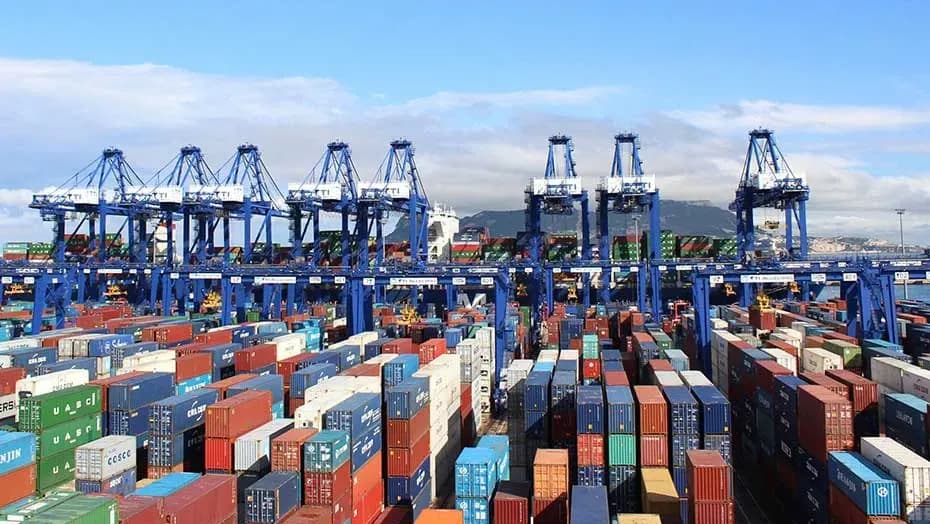
Evos currently has a network of eight storage terminals located in seven port enclaves across five countries, with a total capacity of 6.3 million cubic meters. Its facilities are located in Amsterdam, where it operates two terminals, Rotterdam, Terneuzen, Ghent, Hamburg, Malta, and Algeciras.
The company was founded in 2019 and employs approximately 700 people in its network. The agreement signed with SEFE and Petrogas focuses, however, on analyzing the possible connections of the activities of the three companies within the CO₂ transport and storage chain, with the terminals in Amsterdam and Hamburg specifically mentioned as Evos facilities in the project.