The Strategic Plan 2030 with a vision for 2040 sets the installed capacity of the Port of Algeciras Bay for containers at nine million TEUs by 2035, according to the document approved by the Port Authority of Algeciras Bay (APBA). The plan distinguishes this projection from an intermediate capacity of 7.5 million TEUs for 2030 and establishes, in parallel, a real traffic target of six million TEUs by the end of the decade, distributed into five million transshipment and one million for import and export.
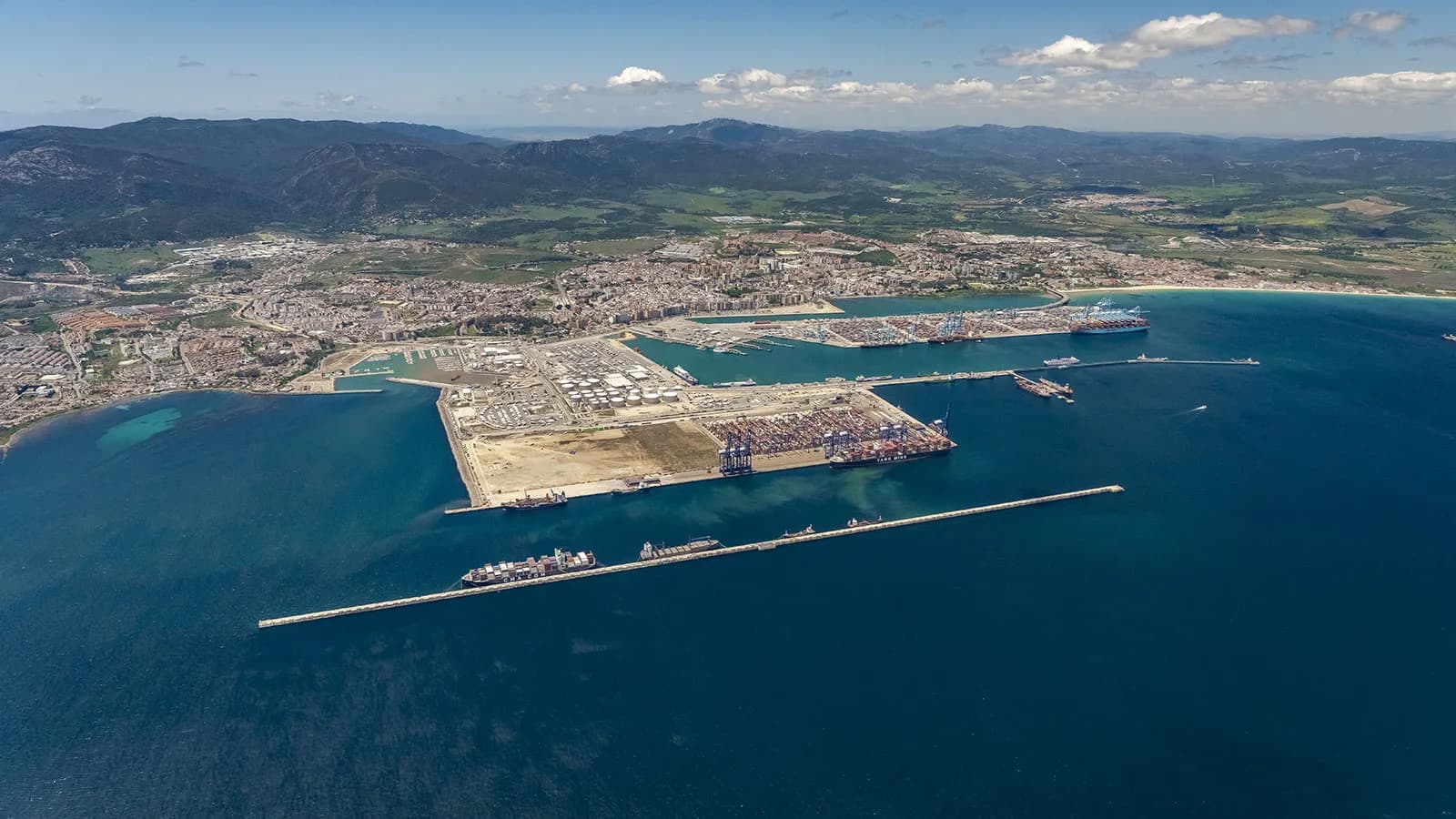
The figure is supported by the Port Master Plan, which sets the physical roadmap to reach those nine million TEUs. The two main milestones anticipated are the completion of phase B of Isla Verde Exterior and the improvement of drafts along with the modernization of the APM Terminals Algeciras terminal. The document also includes a 30% increase in reefer traffic, the refrigerated cargo that requires specific electrical infrastructure at the dock.
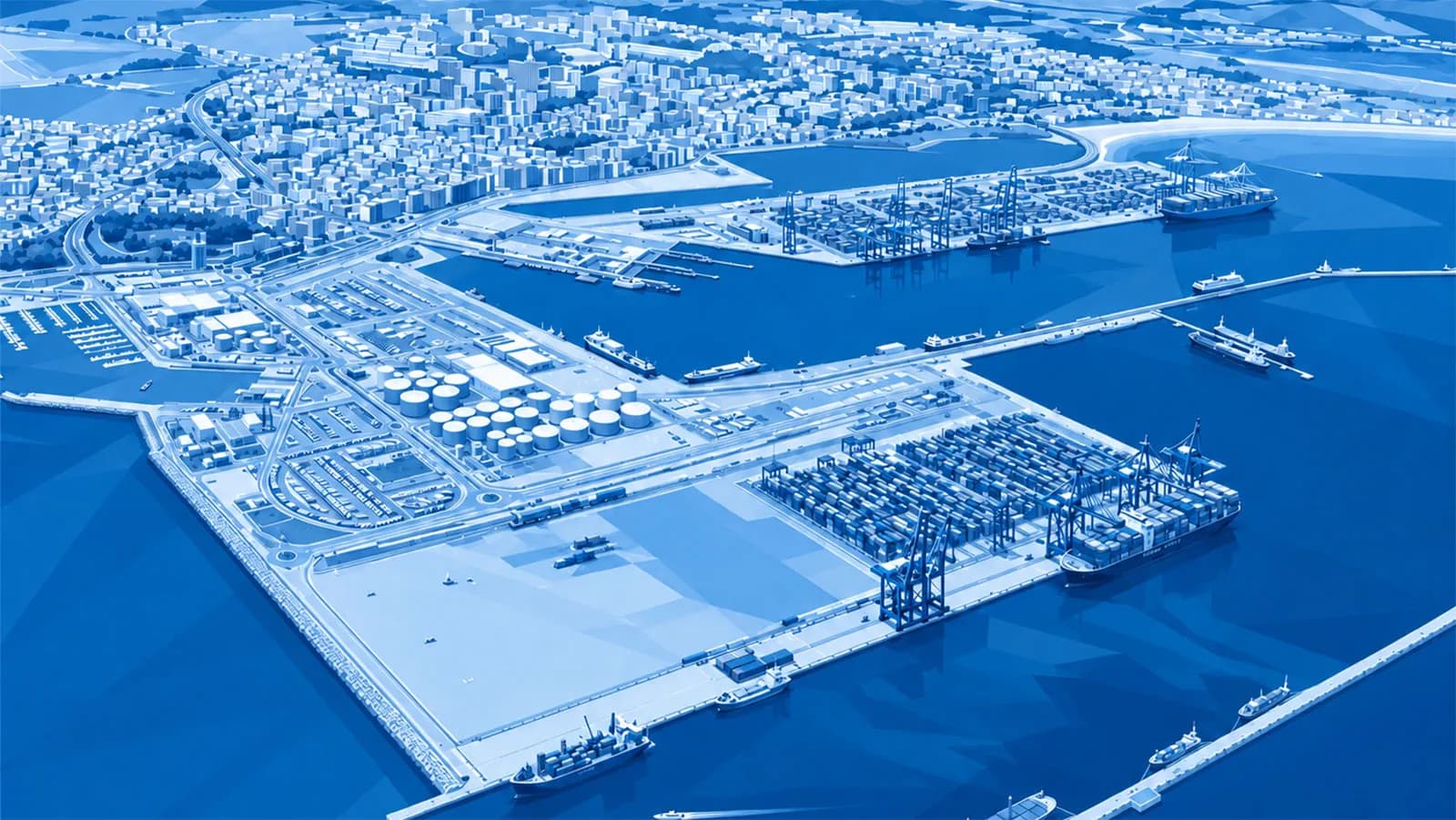
Phase B of the Isla Verde Exterior dock already has an identified operator for its first section. TTI Algeciras, a semi-automated terminal participated in by the South Korean shipping company Hyundai Merchant Marine (HMM) and the French group CMA CGM, is processing with the APBA the extension of its concession to incorporate 15.9 hectares of that phase B — around 40% of its surface — to the 30 hectares it currently occupies in phase A. The project, estimated by the company itself at around 135 million euros, will add half a million TEUs annually to the terminal's capacity, up to 2.1 million TEUs. The company recorded on June 30 in the Official Bulletin of the Commercial Registry an increase in capital of 70 million euros to finance a large part of that investment. The planned equipment includes two dock cranes, twelve automatic yard cranes, and six shuttle carriers. The concession of TTI Algeciras has been extended until 2066. A second phase, which the APBA hopes can be underway by 2030, would add another half a million TEUs of capacity, up to 2.8 million at the terminal.
The distinction between capacity and traffic is central to interpreting the plan. Installed capacity indicates the maximum amount that the infrastructure can move in a year under optimal conditions; actual traffic reflects what actually passes through the docks. The APBA suggests that by 2035 the infrastructure should have margin — nine million versus the six million it aims to move by 2030 — leaving room to capture additional traffic without new large-scale works.
The ratio of five million transshipment to one million import/export is the data that outlines the model change. In the diagnosis of the previous plan (2015-2020), the APBA viewed itself as a "leading container traffic port" and as "the southern gateway to Europe for import-export," without setting a specific ratio. The new document assigns a figure to that aspiration: for every six containers that pass through Algeciras in 2030, one must have an origin or destination within the territory. That proportion is the axis that articulates the Port-Territory strategy of the plan, aimed at what the APBA itself calls "cargo anchoring."
This anchoring is supported by two specific levers identified in strategic objective C3, which aims to attract investments in logistics and value-added activities in the Campo de Gibraltar. The first is the loading of the Algeciras Bay Logistics Area in the El Fresno sector to capture industrial and distribution land. The second is the proactive capture of large international industrial, energy, and logistics projects.
The goal of increasing reefer traffic by 30% is included within the same block of container goals. Refrigerated cargo requires specific electrical connections at the dock and fits into the electrification of port activity that the plan includes as a cross-cutting objective.
The container block is part of the first of the three lines of the Strategic Plan, which the APBA calls "Growth based on efficiency and improved competitiveness." It shares space with the so-called Hercules Plan for traffic in the Strait — which sets targets of 800,000 trucks by 2030 and one million by 2035 — with the railway expansions of terminals T1 and T2, with the commissioning of the Algeciras-Zaragoza rail highway in 2028 and with the goal of "just-in-time" port operations, which seeks 100% traceability of operational processes and prediction of events with artificial intelligence.
The projection of nine million TEUs of capacity, along with that of one million for import/export, places the commercial horizon of the port on a dual axis: maintaining the volume of transshipment that currently characterizes it and gaining share in cargo with origin and destination within the territory, within the framework of the Port-Territory strategy.