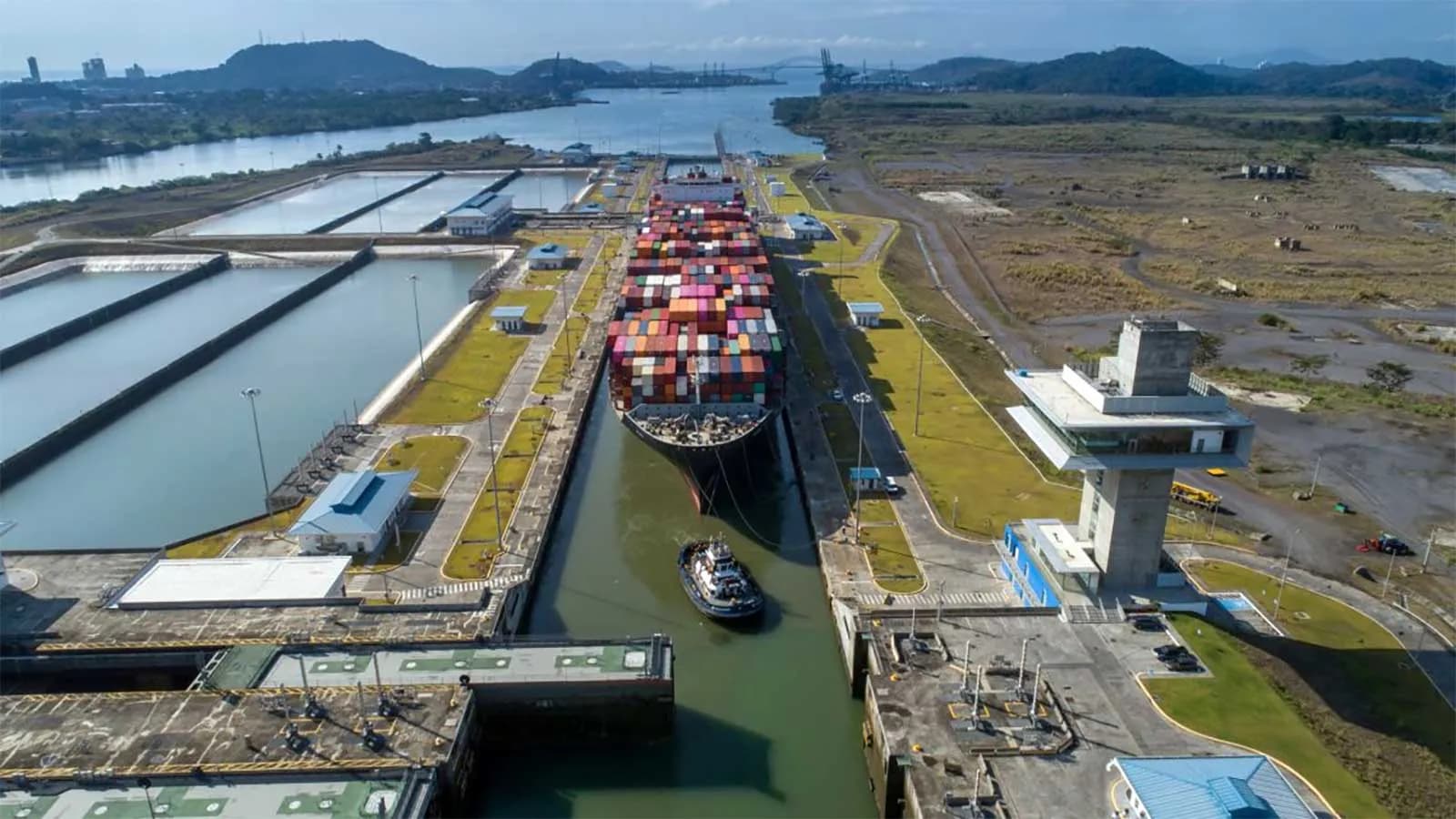
The Panama Canal will reduce the maximum authorized draft for vessels transiting through its Neopanamax locks to 49.5 feet (15.09 meters) starting July 1st, according to the notice sent to shipping companies and reported by World Cargo News. The canal authority has indicated that the adjustment is based on current and projected levels of Gatún Lake and is part of its operational water management strategy. The measure will not affect the daily number of transits.
The seasonal draft restriction complements the water-saving measures introduced in December 2025 ahead of the dry season in 2026 and in response to concerns over a possible appearance of the El Niño weather pattern in the second half of the year, which could extend into 2027 and affect water availability.
The canal authority has stated that this measure, common during dry periods, is reinstated after nearly two years in which water reserves made these restrictions unnecessary. Abundant rainfall in 2025 and an unusually rainy dry season in 2026 allowed storage levels to remain above normal in the canal lakes.
The decision has also taken into account the lessons learned during the drought of 2023-2024, which disrupted the operation of the waterway, as well as the analysis of historical hydrological data. "Panama Canal specialists continue to closely monitor weather conditions and review projections weekly to more accurately assess the potential impact of El Niño and determine actions that may be considered in the coming months," the Panama Canal Authority has indicated.
Geopolitical events in the Middle East since February 2026 and the disruption of maritime traffic in the Strait of Hormuz have generated greater demand for transits through the canal, particularly from liquefied natural gas (LNG) vessels transporting U.S. exports to Asia. The increase in traffic has heightened competition for transit slots and raised auction revenues, with individual awards reaching over a million dollars at peak demand moments.
The Panama Canal has recorded an increase in transits and cargo volumes in the first half of its fiscal year 2026. Between October 2025 and March 2026, it managed 6,288 transits, 224 more than in the same period the previous year, while tonnage grew around 5% year-on-year, reaching 254 million tons PC/UMS. Traffic has consolidated in recent months, with daily movements typically in the high thirties and recent peak days exceeding 40 transits.