
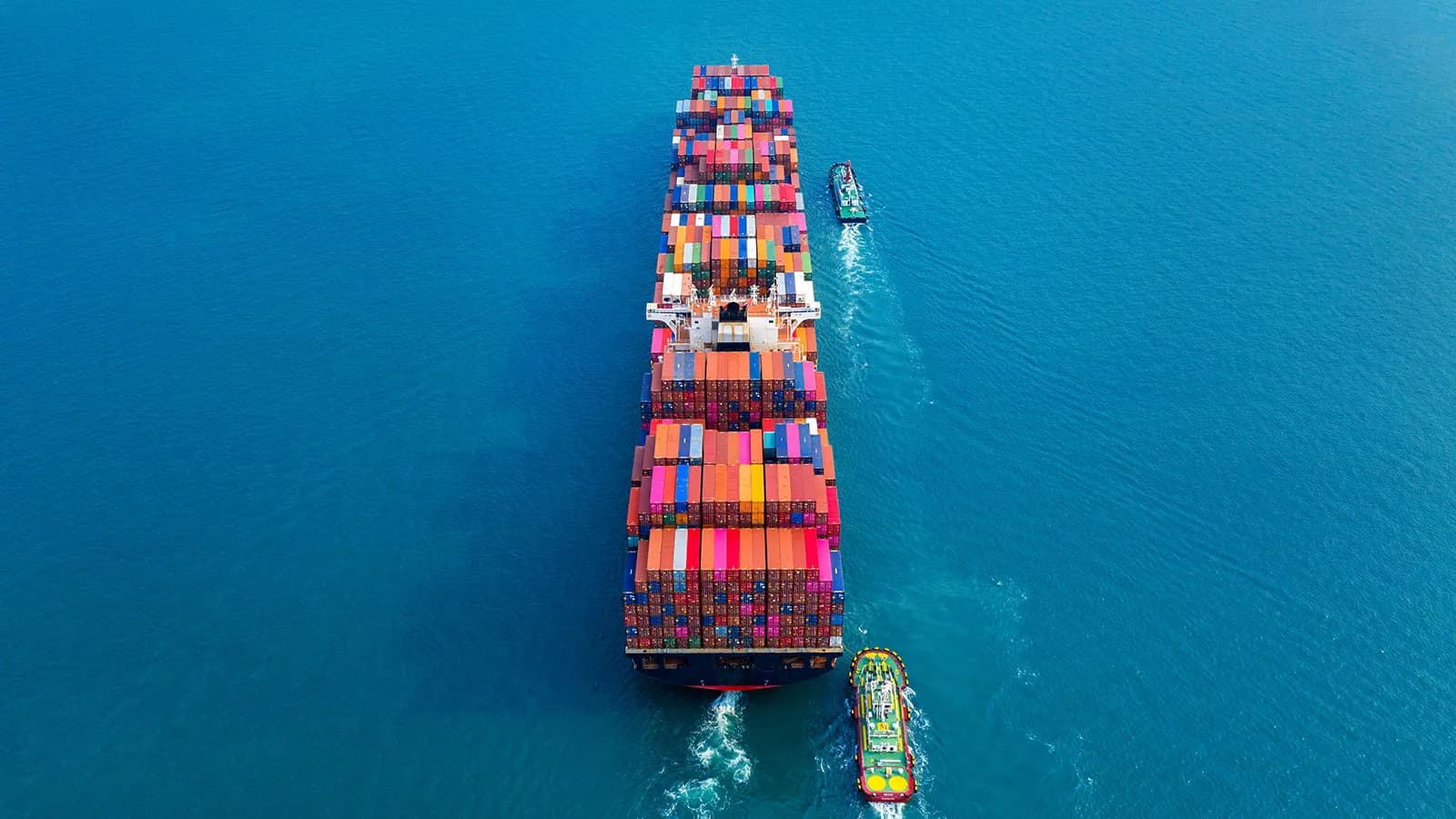
The capacity of the global fleet of container ships is about to reach 34 million TEUs for the first time, after having added 10 million TEUs in just five and a half years. According to the latest analysis by BIMCO, prepared by its chief maritime transport analyst, Niels Rasmussen, this increase represents a growth of 42% since early 2021.
At the beginning of September, global capacity was only 8,000 TEUs below 34 million. The organization estimates that the threshold will be exceeded when some of the 46 container ships whose delivery is scheduled for this month, collectively totaling 286,000 TEUs of capacity, are put into service.
The increase recorded over the last five and a half years also significantly reduces the time needed to add 10 million TEUs to the global fleet. The previous increase of this magnitude, which raised capacity from 14 to 24 million TEUs, took just over ten and a half years.
BIMCO links this evolution to the combination of a high volume of new ship deliveries and reduced recycling activity. Over the last five and a half years, container ships representing less than 300,000 TEUs have been scrapped. According to Rasmussen, to find a similar period with such a low level of recycling, one must look back to the period between early 2004 and mid-2009, when the fleet was approximately one-third of its current size.
The addition of capacity has also modified the composition of the fleet. Container ships of more than 12,000 TEUs have contributed around two-thirds of the 10 million TEUs added since early 2021. As a result, these large vessels have gone from representing 30% of global capacity to 40%, while the average size of container ships has increased by 14%.
The ownership structure has also undergone changes during this period. Line shipping companies have concentrated 85% of the 10 million TEUs incorporated and currently control about 65% of the fleet's capacity, compared to 57% recorded at the beginning of 2021.
The low withdrawal of units has simultaneously raised the number of older vessels. Nearly 2,000 container ships, with a combined capacity exceeding 5 million TEUs, are currently 20 years old or more. BIMCO states that over the next five years, these units will reach or exceed the historical average recycling age, which is around 25 years.
The global order book also includes over 14 million TEUs of new capacity with scheduled deliveries until the end of 2030. Rasmussen estimates that, depending on the volume of recycling, the fleet could incorporate another 10 million TEUs, bringing it to around 44 million within five years.
BIMCO adds that even if all container ships that are currently 20 years old or more were recycled before then, supply growth would still be high. The evolution will also depend on the routes used by shipping companies, especially regarding a potential normalization of traffic through the Suez Canal, which would free up part of the capacity currently absorbed by diversions around the Cape of Good Hope.