
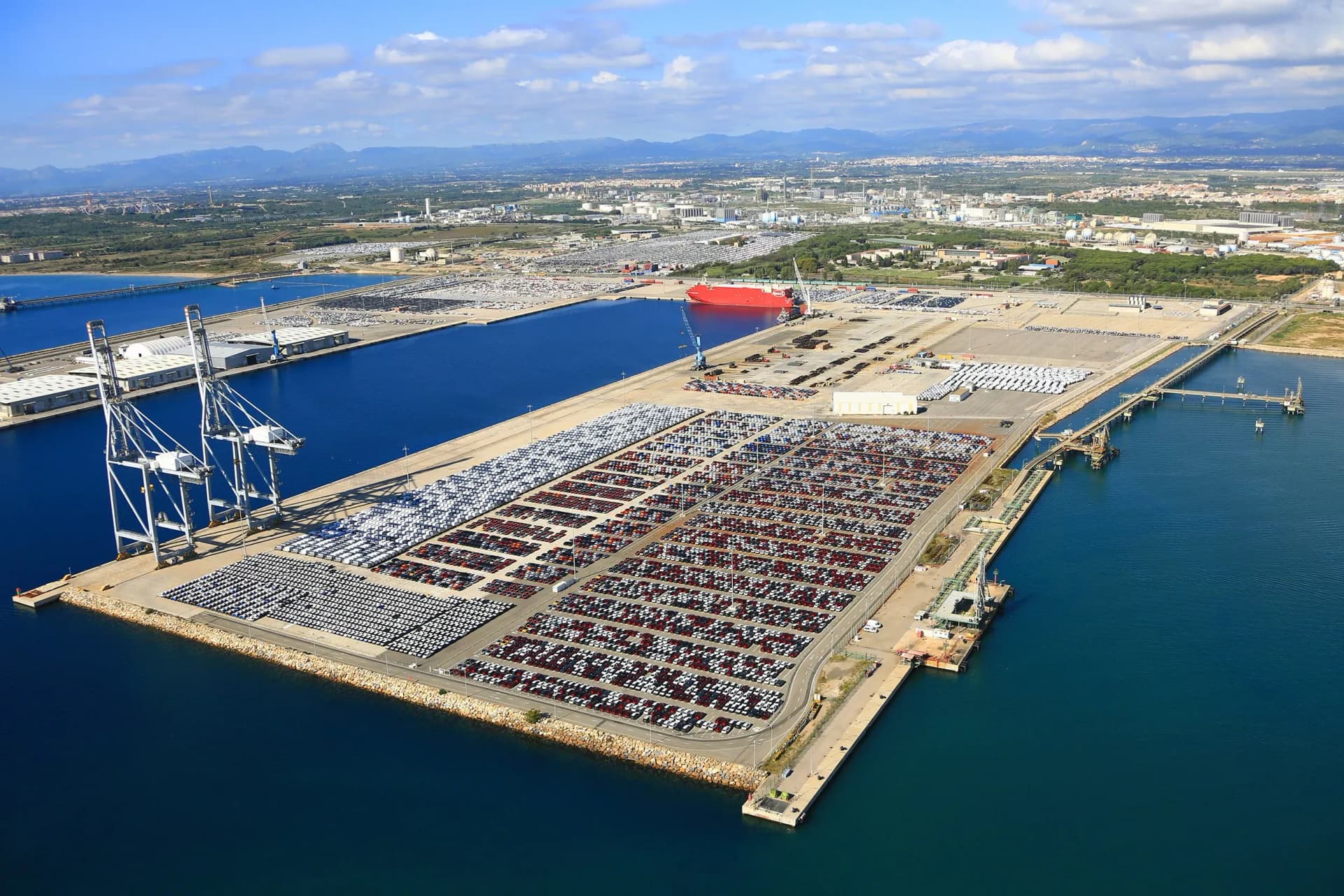
The ports of Cork, Dublin, Reykjavik and Tarragona have been selected as finalists for the 2026 edition of the ESPO Award on Societal Integration of Ports, the award that recognizes projects related to the integration of ports into their social and urban environment.
The four candidates have been chosen by an independent jury from a total of eleven proposals submitted this year. The final decision will be announced on November 10 during the annual ESPO Awards ceremony, which will be held at the Vanhaerents Art Collection in Brussels.
The 2026 edition focuses on the so-called “Dual-Use Port-City Projects,” dual-use port-city projects. The aim is to recognize actions developed by port authorities and managing entities that maintain their main function linked to port activity while also providing opportunities for use by the city at the same time or during certain periods.
The approach focuses on infrastructure and spaces located at the interface between the port area and its urban environment, where operational needs coexist with other uses related to residents, visitors, or civic activities.
The Port of Tarragona is part of the final selection alongside the Port of Cork, Dublin Port Company, and the Port of Reykjavik. The organization has announced the four finalists in alphabetical order, without establishing any ranking among the selected candidates.
The jury for this edition is chaired by Eamonn O’Reilly, former president of ESPO, and is made up of an independent group of experts. O’Reilly has linked this year’s theme to the journey undertaken by European ports in the area of social integration since the publication, in 2010, of the Code of Good Practices on Social Integration of Ports developed by ESPO.
According to the jury chairman, European ports currently perform functions that go beyond facilitating trade, passenger transport, and the activities of various industries. The relationship with society and with urban spaces located near port facilities has gradually been incorporated into the strategies of different European port authorities.
The theme chosen for the ESPO Award 2026 precisely addresses that coexistence between port activity and city, through actions that allow the use of certain spaces or infrastructures for more than one purpose and that seek to respond to both the port's own needs and uses related to the urban environment.
The call has received eleven projects from different European locations. The jury considers that the submitted proposals reflect different approaches to a common issue for many ports: the management of spaces located at the physical boundary between the port facilities and the cities in which they are located.
In the coming weeks, ESPO will announce individually the projects presented by Cork, Dublin, Reykjavik, and Tarragona. The organization will publish specific information about each of the four candidates on its website before the planned ceremony in Brussels.
This presentation will allow for a more detailed understanding of the actions that have led the four ports to the final phase and the way in which each project addresses the shared or alternative use of infrastructures and spaces related to port activity.
Additionally, coinciding with the award presentation on November 10, ESPO plans to publish a special edition that will gather the eleven candidates submitted to the contest. The document will include both the four finalist projects and the other seven proposals that participated in this edition.
The ESPO Award on Societal Integration of Ports reaches its eighteenth edition in 2026. Through its various calls, the award has focused on different aspects of the relationship between European ports and the communities and cities in their surroundings.
The choice of dual use as this year’s theme places the transformation of port-city spaces at the center of the call, in a context where numerous European locations are developing actions aimed at reconciling operational needs with other urban uses.
Cork, Dublin, Reykjavik, and Tarragona will learn the final result during the ceremony on November 10 in Brussels. Until then, ESPO will present the four selected projects and their characteristics as part of the program leading up to the award presentation.